
 By
Masa is cherished for its unique, slightly tangy taste and soft, spongy texture – a combination that sets it apart from other rice-based dishes. If you’re looking for a new and unique culinary experience, I highly recommend giving this recipe a try.
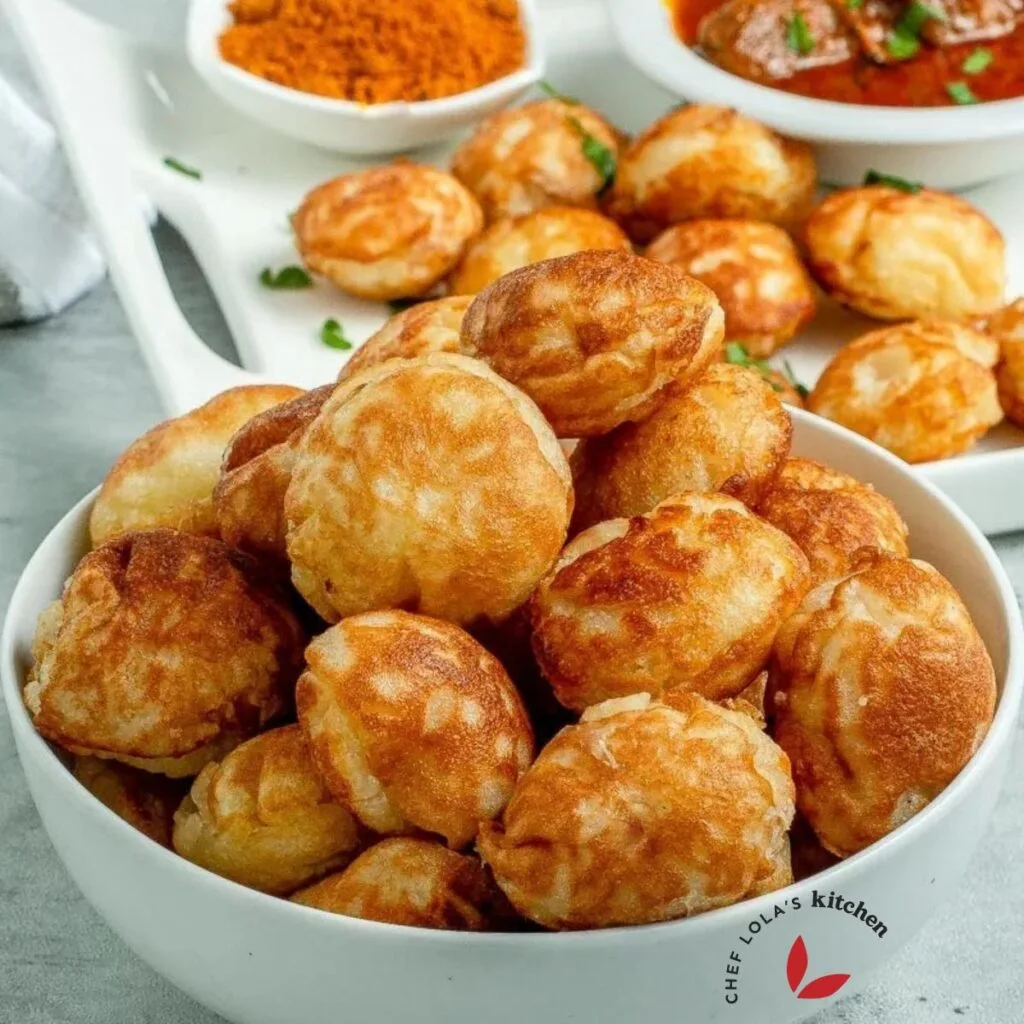
Nigerian Masa
Nigerian Masa, also known as rice cakes or waina, is a popular traditional Northern Nigerian delicacy, particularly among the Hausa ethnic group. It is made from rice and is often enjoyed as a snack or breakfast meal.
Renowned for its unique taste and texture, Masa has become a beloved snack or appetizer across the country, often enjoyed at special events, family gatherings, and casual get-togethers.
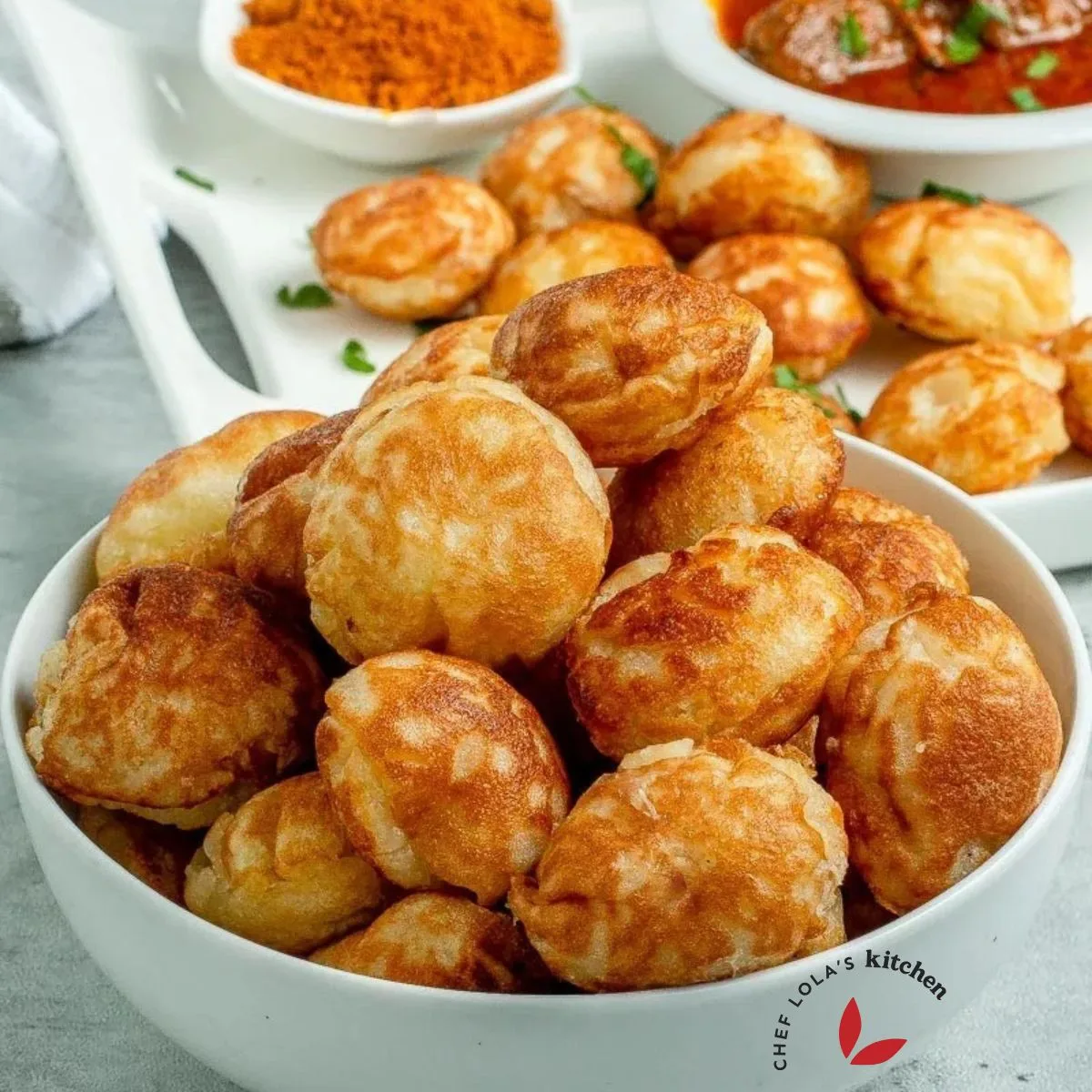
These fluffy, slightly tangy, and golden brown cakes are typically served with a spicy pepper sauce or soup.
What makes Masa so special?
The secret to Masa’s distinct flavor profile lies in the fermentation process that the rice goes through before cooking.
Masa is made from a fermented rice batter that creates a slightly tangy and sour aroma, a characteristic that sets it apart from other rice-based dishes. The rice used for Masa is typically a short-grain variety, such as Tuwo rice, which is known for its ability to clump together and create a desirable texture when cooked.
The fermentation process not only adds a distinctive flavor to the dish but also aids in breaking down the rice grains, making them easier to digest.

The Process – Step-by-Step Guide to Making Nigerian Masa
- Soaking the rice: To prepare Nigerian Masa, the rice is first soaked for several hours or overnight, which helps soften the grains and allows for a smoother batter.
- Creating the batter: After soaking, the rice is blended with water, cooked rice, and finely chopped onions to form a thick paste.
- Fermentation: The mixture is then combined with active dry yeast and sugar to kickstart the fermentation process. This mixture should be left to ferment for about 8 hours or overnight. As the batter ferments, it will become bubbly with a sour and slightly sweet taste.
- Seasoning: Once the batter has fermented, season it with salt and add some baking powder to enhance the flavor and texture of the cooked Masa.
- Cooking: Masa is traditionally cooked in a special Masa pan, which features round, shallow molds that give the rice cakes their iconic circular shape. You can also use a non-stick frying pan with a little oil to cook it. Spoon the batter into the molds or onto the pan, and cook until the Masa turns golden brown on both sides.
Serving
Masa is best enjoyed fresh and warm, served with a variety of spicy dipping sauces, soups, or stews. Some popular accompaniments include:
- Suya pepper sauce: A spicy, peanut-based sauce that pairs beautifully with the tangy flavor of Masa.
- Spicy tomato-based sauce: A rich and flavorful tomato sauce with a kick of heat to complement the rice cakes.
- Miyan Taushe: A Nigerian pumpkin soup that adds more depth to the Masa experience.
The combination of the slightly sour Masa with the bold, spicy flavors of the sauces creates a delicious taste experience that is truly enjoyable.

Important notes
When making Masa, it’s essential to keep some crucial tips and tricks in mind to ensure you achieve the desired taste and texture. Here are some important things to note:
- Choose the right rice: Opt for a short-grain rice variety, such as Tuwo rice, which is ideal for Masa due to its ability to clump together and create a pleasing texture when cooked.
- Soak the rice properly: Soaking the rice for several hours or overnight is crucial for softening the grains and making them easier to blend. This step helps create a smooth batter for your Masa.
- Fermentation time: Allowing the batter to ferment for at least 2 hours to enable it to double in volume. I personally like to leave it overnight (between 6 to 8 hours). This is essential for achieving the slightly sour and tangy aroma that characterizes Masa. Be patient and give the fermentation process enough time to work its magic.
- Keep an eye on the batter consistency: The batter should be thick enough to hold its shape when spooned into the molds or the pan. If the batter is too runny, add a little more soaked and blended rice to thicken it. If it’s too thick, add a small amount of water to thin it out.
- Proper oiling: Make sure to oil the molds or frying pan adequately before cooking the Masa. This step prevents the rice cakes from sticking to the pan and ensures they turn golden brown.
- Cook on medium heat: To avoid burning your Masa, cook it over medium heat. This allows the rice cakes to cook evenly without getting too dark on the outside while remaining uncooked on the inside.
- Use a powerful blender: The Masa should be well blended, so it’s advisable to use a very powerful blender. This ensures that the rice grains break down completely, creating a smooth batter.
No rice on hand? Try this Semolina Flour Masa.
African Masa Recipe
Ingredients
- 2 cups rice use The Tuwo Rice, Arborio, or Jasmine Rice
- 2 teaspoons yeast Active dry
- ¼ cup water for proofing the yeast
- ¼ cup cooked rice Pre-cooked
- 2 tablespoons yogurt optional
- 1 small onion
- ½ inch ginger
- ½ cup water for blending
- 2-4 tablespoons sugar
- 1/2 teaspoon salt
- 2 teaspoons baking powder
- vegetable oil
Instructions
- Wash the rice a couple of times until the water runs clear. Then soak it in water for at least 6 hours or overnight. This will help soften the rice, making it easier to blend.
- In a small bowl, mix the active dry yeast, 2 teaspoons of sugar, and 1/4 cup of warm water. Set aside for about 10 minutes or until the mixture becomes frothy.
- Drain the soaked rice and transfer it to a blender. Add the cooked rice, yogurt (if using), onion, ginger, and 1/2 cup of warm water. Blend until you achieve a smooth batter.
- Pour the blended rice mixture into a large bowl and add the frothy yeast mixture, sugar, and salt. Stir well to combine. Cover the bowl with a clean cloth or plastic wrap and allow the batter to ferment in a warm place for at least 2 hours. You can as well leave it to ferment overnight ( 8 hours) if you want it more tangy.
- When ready to fry, add the baking powder to the fermented batter and stir until well combined.
- Add about a quarter teaspoon of oil inside each hole of the masa pan and preheat it over medium heat. You can also use a non-stick pan if you don't have masa pan.
- Stir the fermented batter again and scoop the batter into the preheated pan, filling each hole about two-thirds full. Cook the masa for 2-4 minutes on each side or until golden brown and cooked through. Repeat with the remaining batter, greasing the pan as needed.
- Serve warm with a spicy pepper sauce, such as Yaji (Suya spice), or a savory soup, like Miyan Taushe or Miyan Kuka. You can also go sweet with honey, maple, or powdereed sugar.
Notes
- Use a very large bowl if you choose to ferment the batter for longer than two hours, as the batter will rise significantly before it collapses and may spill over if the bowl is too small. This precaution will save you from wasting your rice and having to clean up your surface.
- For a more tangy flavor, allow the batter to ferment for up to 8 hours.
- If you don’t have a masa or pancake pan, you can use a non-stick frying pan and cook the masa in small dollops, similar to pancakes.
Nutrition








Just wanted to thank you for this recipe. I made it today after trying several different recipes. This was perfect. My husband said so too :).
Aww, that’s wonderful to hear Valerie 🥰 I’m so glad you both enjoyed it. Thanks for sharing your feedback ❤️
Thanks for the recipe, looking forward to making it! I was wondering about steps 4. and 5. Weren’t baking powder, sugar, and salt already added in 4., why are they being added again in 5.? If only part of it is added in 4., how to split it? Thank you
Thanks for your comment. In step 4, the ingredients used is the frothy yeast mixture, sugar, and salt. While in Step 5, we used only baking powder. These ingredients are different. Would be available for further clarification.
Can I use rice powder flour instead of soaking the rice
Yes you can, however, the ratio of ingredients will change.
@Lola Osinkolu, pls instructions 4 and 5 are overlapping. Kindly explain what you mean in option 5
Thanks for spotting the mix up Rahma. You need to add only the baking powder when you are ready to fry. I have also adjusted number 5 to reflect that.
In what quantiry should the rice be cooked,and for how long should it be cooked before blending with the soaked rice?
Lilian, we used two cups of rice for this recipe. You don’t need to cook the rice before blending. Ensure that it is well soaked.
Am confused i read add the cooked rice yo the soaked rice into the blender. @Chef Lola’s Kitchen,
Yes, Praise, you read it correctly. if you look at the list of ingredients, the 4th one is a quarter cup of pre-cooked rice. You’ll add the pre-cooked rice, the soaked rice, and the other ingredients as the recipe instructs into the blender. I hope this clarifies things for you!
I’m confused. Isn’t masa corn flour? The recipe only calls for rice.
You’re right masa is corn flour used by the Mexicans for making tortillas, gorditas, tamales, pupusas, and so on.
However, this African masa recipe is a traditional Northern Nigeria meal made from rice.
@Chef Lola’s Kitchen,
Maize is some times used as substitute for rice,
I haven’t tried the maize version. Will try it someday. Thanks for the contribution.
Thanks so much Lola, for sharing from your well of classical Cook experience!
Thank you so much for the opportunity to be part of your page,I love your recipes and I will try each and improve my breakfast table.
thank you.
Which pan will you use in making the mass
You can fry your Masa in a nonstick skillet.
My masa sticks did not get brown it was just cooking and messy no rising.i don’t know the problem whether I had too much cooked rice in it or what it’s soo discouraging.
I don’t know what to do
Sorry about that. Ensure that you add enough yeast to the rice. Also, be patient for the Masa to turn golden brown before you flip to the other side. Try this and I will be expecting your feedback.
What about adding dry maize together with the rice? will it still work?
Ho Dorcas, I haven’t tried that yet, so I can’t really say how that will turn out.
Thank you for this great recipe. I am Yoruba and my husband is a northerner and he LOVED this, well we both LOVED the outcome. We accompanied it with your peanut stew recipe, They both turned out great, You are the best!.
If this is not too big of a request and not too selfish of me to ask, I would love some more northern recipees. Its easy to get some foreign or yoruba recipees online but sadly, some really local hausa or igbo recipees are not easily found upon google search. Thank You Mrs Lola
I’m definitely going to try your recipe. However, can masa be stored in the freezer?
It is nice to hear that you want to try it. You can store your masa in the freezer but you have to store it carefully in a plastic away from liqud.
This is really easy to make. Thanks for simplifying it. But, is it 409 calories per one or the whole 6?
Hi, Omolola, I apologize for the late response. The calorie calculation is for one serving.
@Lola Osinkolu,thanks for d recipe but I DNT have either of the rice can any other rice be used.
I added some flour because the mixture was watery but it came out great thanks for the recipe!
Great! Thanks for the feedback!!
Hello chef Lola, my masa is sticking to the pan and it doesn’t rise pls what can I do. Thanks
Hi Maryam, try rubbing the masa pan with extra oil. Also, check to see if your baking powder is active.
@Lola Osinkolu,
Do I Add Egg
I try the method above but my rice butter didn’t raise and after frying it was like pan cake
Your yeast could be faulty
Plz explain this rice stuff
Thank you Lola,pls I have two questions,is the pre cooked rice the same rice to be uses for the masa and if i am using a public blender,do i mix everything together so they can blend everything at once.Thank you for your time.
Thanks for sharing the details on how to make Masa 💖💖💖💗💗💗😄😄
Hi, please cn i use flour rice for it?
Hi, sory cn i use rice flour for it?
Can I add flour if watery
Waooo..tried it out and it was awesome my family loved it
👍👍
Thanks very good
Hello so you’re using baking soda OR potash along with the yeast?
What is the work of the potash or baking soda
The potash and baking soda both serve as a leavening agent.
At what point is the potash or baking soda added?
Hi,Can milk be added?
Yes you can.
Can milk be added?
I am a Nigerian and a northerner but I don’t know the English name for masa, could you please tell me?
@Abubakar Sulaiman, Masa originated from northern Nigeria, not England. It has no official English name, but you can call it rice pudding or something like that.
We need to understand that not everything must have an English name. Does Butter have Hausa or Yoruba name?
Things are name from their place of origin. It’s a great way to promote our culture. When we keep forcing English names on them, we loose their original history to whites and then we turn around and call them thieves.
What if it’s too watery
If it’s too watery just blend some more cooked rice with it until you get the consistency you want.
Please what is your definition of precooked rice? Normal cooked rice or boiled for a shorter period?
It’s just rice that has been cooked.
Your video was nice n looks easy to practice. Tanks.
Pls, the frying pan will make it look too flat n the one the Hausa use to fry it makes it round n puffy. So, should I still follow the same pan u used or can u prescribe any alternative to the one use by d Hausa.
Pls how many megawatts blender can grind the soaked rice
Hi Mummy Islam, I used a 1100 watts for grinding my Rice and it worked perfectly well.
What kind of water should it be warm or cold for proofing the yeast?
use warm water
use warm water
What kind of water should it be warm or cold for proofing the yeast?
Wow, this was really helpful. I added a little pepper and onions to my massa too. It was really good. Thank you
Awesome Mummy Chelsea, I’m so pleased you loved it! Thanks for coming back with the feedback. ❤️❤️❤️