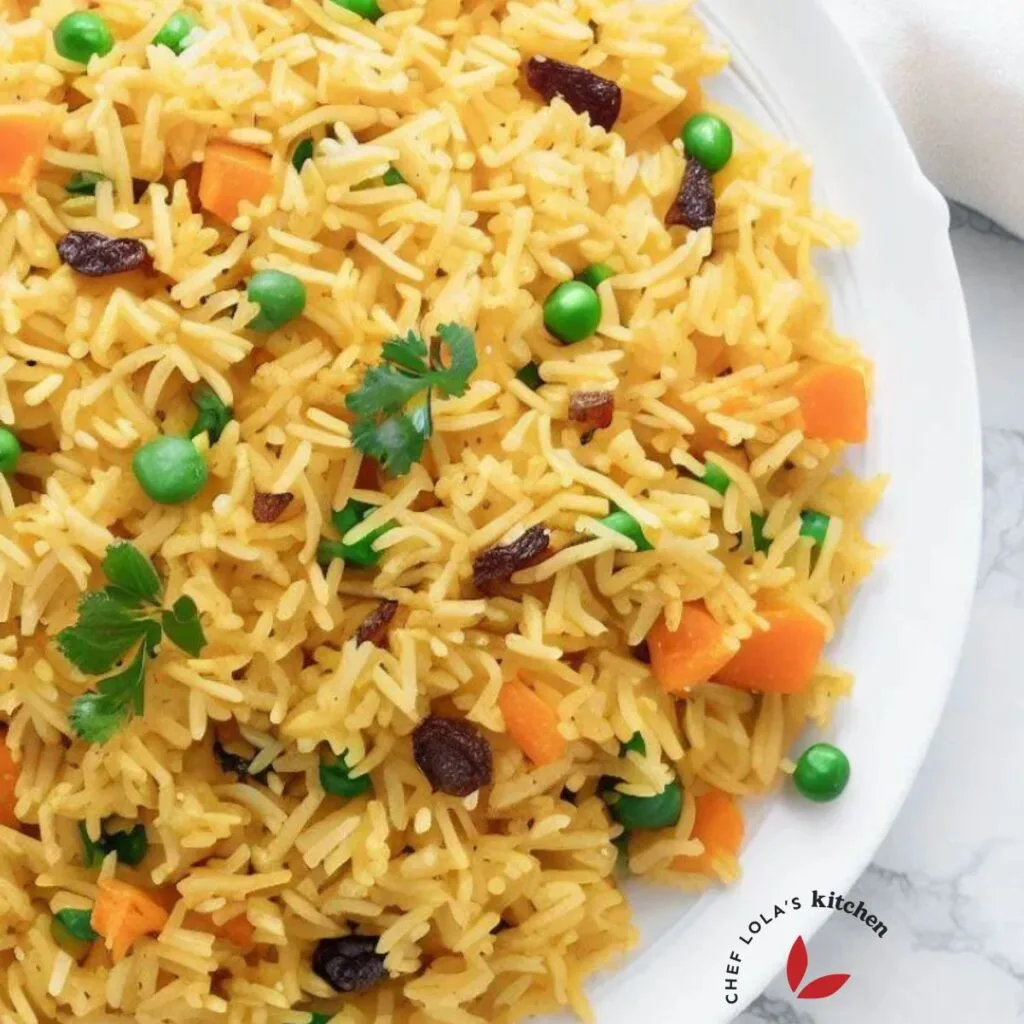
When I need a dependable side dish that feels special but doesn’t require complicated steps, this is the recipe I reach for. I love how simple ingredients turn into something fragrant, fluffy, and delicious.

What Is Rice Pilaf?
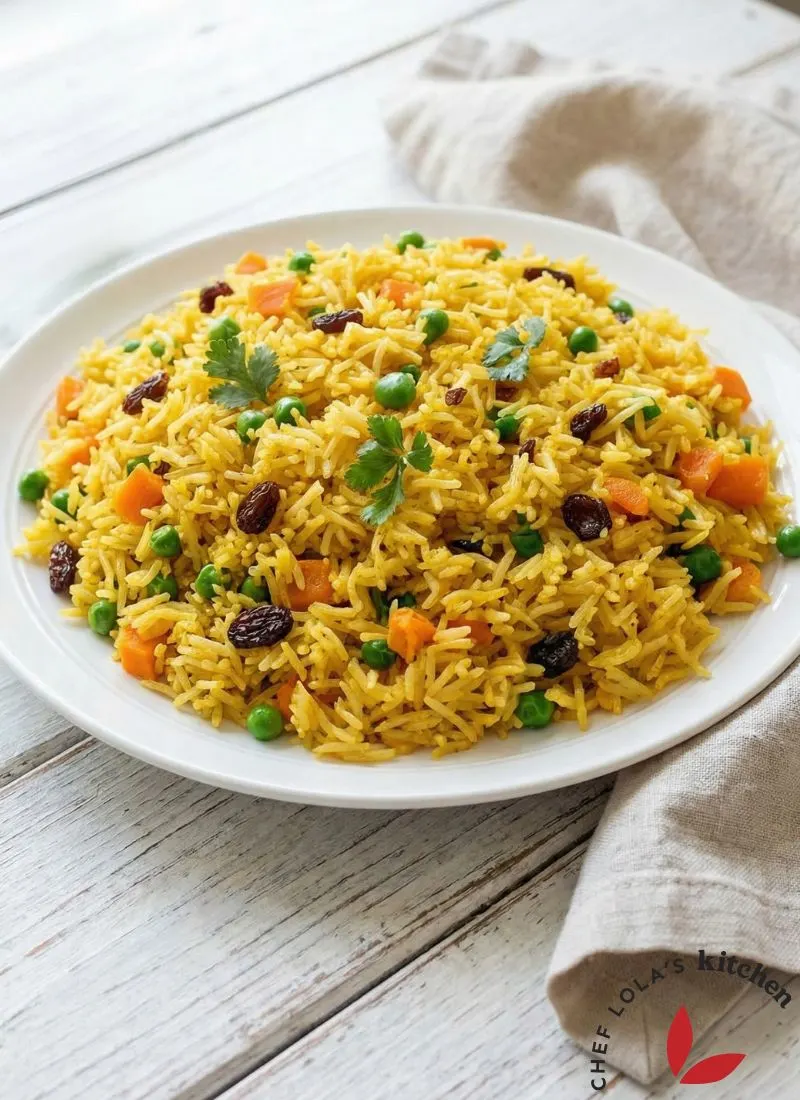
Rice pilaf is a classic aromatic rice dish made by sautéing rice in butter or oil before simmering it in broth with aromatics like onions and garlic. That toasting step is what makes pilaf different from plain steamed rice. It builds flavor from the very beginning.
Traditionally rooted in Middle Eastern and Mediterranean cuisine, rice pilaf has traveled across cultures and evolved into countless variations. Once you understand it, you can easily adapt it to your taste.
If you enjoy rice-based dishes, you may also love exploring my full Rice Recipes Collection, where you’ll find everything from everyday sides to party classics.
The perfect balance of ingredients makes this recipe ideal for both weeknight meals and special occasions.
A versatile dish
If you're looking to elevate your rice game and add a burst of color and flavor to your dinner table, look no further than this Rice Pilaf made with Saffron, Peas, Carrots, and Raisins.
The cooking process involves toasting the rice in fat, like oil or butter, until it is lightly golden and aromatic. This coats the grains and helps prevent sticking.
The rice is then cooked until tender, allowing the flavors to meld together. This technique gives the rice a light and fluffy texture, with each grain remaining separate and distinct.
Rice pilaf is one of those side dishes that looks simple but tastes incredibly rich and comforting when done right. I’ve made rice pilaf countless times, served alongside roasted meats, grilled chicken, lamb and even fish. It remains one of the most reliable rice dishes you can master.

For a vegetarian or vegan option, serve the pilaf alongside dishes such as lentil, tofu, or roasted vegetables.
Rice pilaf can also be garnished with a sprinkling of toasted nuts, such as almonds, pistachios, or pine nuts, for added crunch and flavor.
If you’ve mastered dishes like Jollof Rice or Nigerian Fried Rice, rice pilaf will feel familiar but simpler.

Why This Rice Pilaf Recipe Works
Over the years, I’ve learned that great rice pilaf depends on three simple steps:
- Rinsing and draining the rice: Rinsing with cool water until the water runs clear helps to remove excess starch. This helps your rice to be fluffier. Drain well before toasting.
- Toasting the rice: Make sure to toast your rice before cooking. It deepens the flavor.
- Using the right liquid ratio: Understanding liquid ratios and cooking methods prevents mushy or undercooked rice. Whether you are cooking plain rice or preparing complex dishes like jollof.
- Cooking on low heat: Recipes like this don't need boiling on high heat. This will lead to unevenly cooked grains.
- Let the rice pilaf rest! Allowing the rice to rest for a few minutes before serving not only helps it gain a fluffier and lighter texture but also allows any excess steam to dissipate.
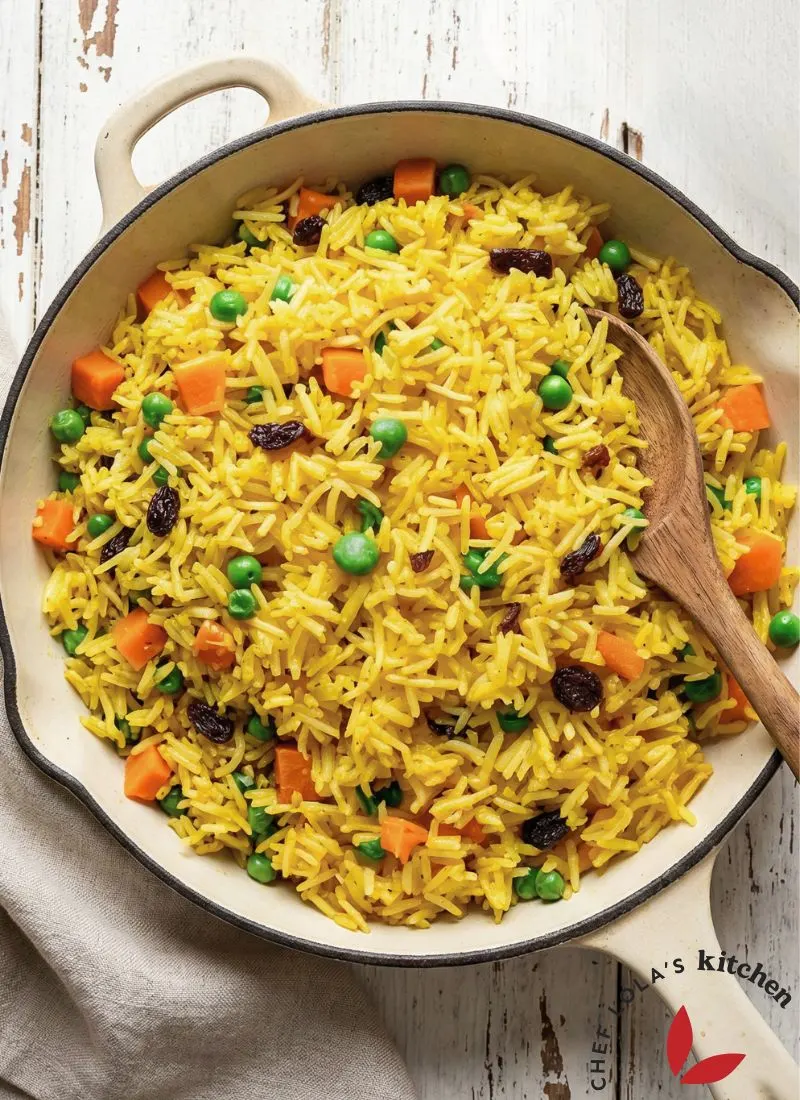
If you’ve ever ended up with mushy rice or bland flavor, this guide will show you exactly how to make rice pilaf fluffy, aromatic, and perfectly seasoned every single time.
When you follow these steps carefully, the rice always turns out fluffy and separate.
Saffron
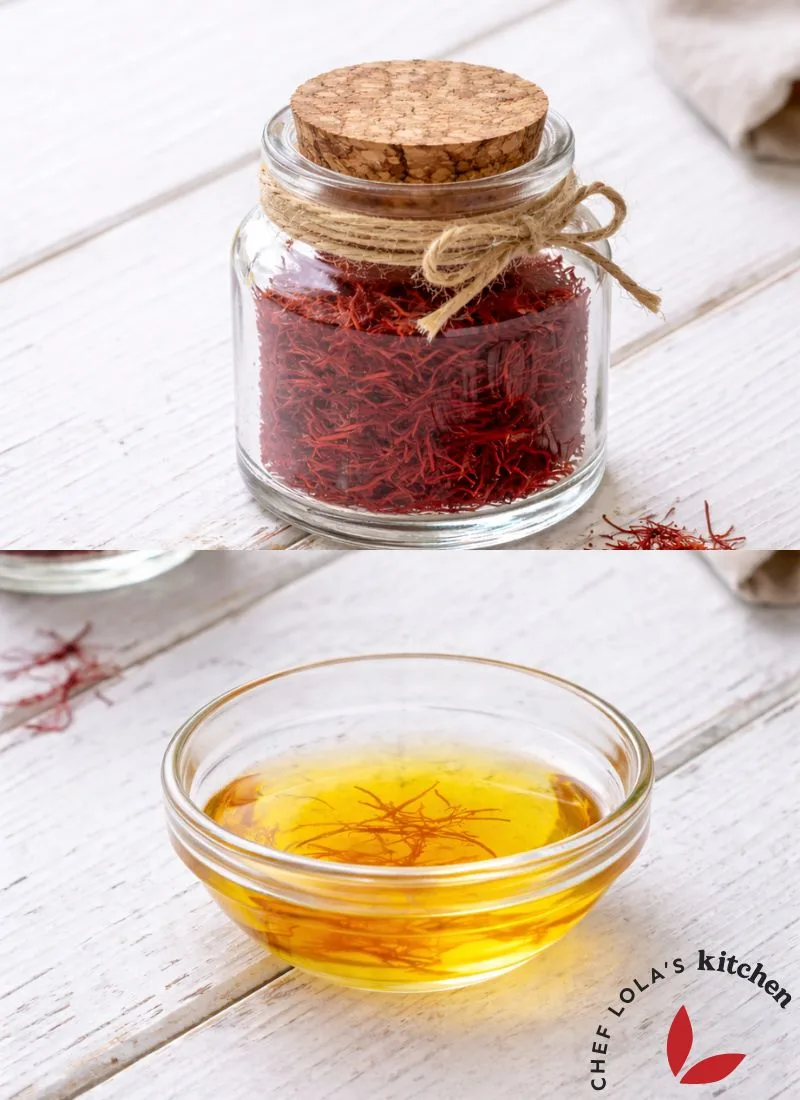
Saffron, often called the "golden spice, is one of the ingredients I like to add to my rice pilaf to give it a beautiful golden color. Even a small pinch makes a big difference.
Saffron is derived from the stigmas of the Crocus sativus flower. It is one of the most expensive spices in the world due to its labor-intensive harvesting process.
It's best to soak the saffron strands in warm broth before adding them to the rice so the color spreads evenly
Its flavor is slightly sweet, floral, and earthy. It adds a touch of luxury and sophistication to any dish, like saffron rice and biryani.

Perfect Water-to-Rice Ratio for Pilaf
The ideal ratio is 1 cup of rice: 2 cups of liquid
However, if using basmati, slightly less liquid (about 1¾ cups) can work beautifully.
If you’ve struggled with soggy rice when making rice dishes, you need to learn how to cook white rice perfectly. Measuring the liquid precisely makes all the difference.
Ingredients that you need to make this Rice Pilaf recipe
- Basmati Rice: Basmati rice is a long-grain rice known for its delicate aroma and fluffy texture. Its grains remain separate and tender when cooked, making it the ideal choice for rice pilaf.
- Saffron: Often called the "golden spice," it adds a beautiful yellow hue and a distinct floral flavor to the rice. Its earthy notes elevate the overall taste and appearance of the dish.
- chicken or vegetable broth
- Spices and Seasonings: Onion, Garlic, salt, ground black pepper, cumin.
- Unsalted Butter or Olive Oil
- Colorful Vegetables: Peas and carrots bring vibrant colors and natural sweetness to the rice pilaf.
- Sweet Raisins: Raisins lend a touch of sweetness to the dish.
How to make the best rice pilaf
- Rinse rice in a fine-mesh sieve under cold running water until the water runs clear. Drain well.
- Sauté onions and garlic in butter or oil until soft. Add minced garlic and cook until fragrant.
- Toast rice with salt, black pepper, cumin, and turmeric in the skillet.
- Add broth and simmer until rice is tender and liquid is absorbed.
- Stir in the carrots, peas, and raisins or currants (if using).
- Fluff the rice with a fork, then top with nuts and herbs if desired.
- Serve and enjoy!
Frequently Asked Questions
What type of rice is best for this rice pilaf recipe?
Long-grain rice varieties, such as parboiled long-grain rice, basmati, or jasmine, are ideal for rice pilaf due to their lower starch content. The low starch content helps keep the grains separate and fluffy.
Can I make rice pilaf in advance?
Yes, you can make rice pilaf in advance. Once cooked, allow it to cool completely, then store it in an airtight container in the refrigerator for up to 3 days.
Can I use other grains besides rice in a pilaf?
While rice is the most common grain used in pilaf, you can certainly experiment with other grains like quinoa, bulgur, or couscous.
Can I freeze rice pilaf?
While rice pilaf can be frozen, it's important to note that the texture of the rice may change slightly upon thawing and reheating. It's best to freeze the rice pilaf in portion-sized airtight containers or freezer bags. T

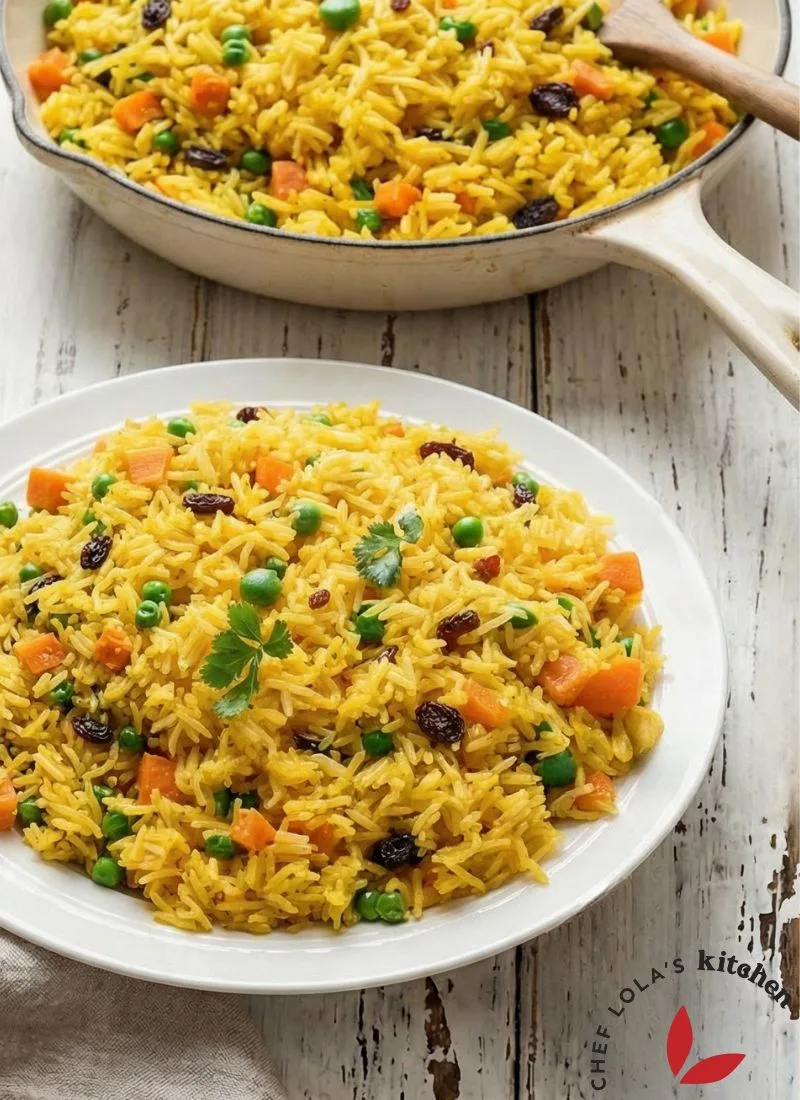
What to pair Rice Pilaf with?
- Garlic Honey Chicken Thighs: The flavors and textures of the garlic honey chicken thighs and rice pilaf are a perfect pair.
- Roasted Vegetables: If you are a vegetarian, you can enjoy rice pilaf with a side of healthy roasted vegetables
- Lentil Soup: A hearty lentil soup would pair well with rice pilaf. The earthy flavor of the lentils pairs well with the rice's nuttiness.
- Easy Roast Chicken With Dry Rub: The savory spices complement the mild, buttery flavor of the rice without overpowering it.
- Oven-Roasted Turkey Breast: Tender, perfectly seasoned turkey breast makes a lighter yet satisfying pairing
- Crispy Fried Chicken: Golden, crunchy fried chicken adds texture contrast to soft, fluffy rice pilaf
Storage and Reheating Tips
- Store in an airtight container for up to 4 days
- Reheat with 1–2 tablespoons of water or broth
- Fluff gently after reheating
Rice pilaf reheats beautifully and is great for meal prep.
Common Mistakes to Avoid
- Skipping the toasting step: This reduces flavor and affects texture.
- Adding too much liquid: Leads to mushy rice.
- Stirring while cooking: Breaks the grains and releases starch.
Other Rice recipes you need to try
- Coconut Fried Rice With Extra veggies
- Rice and Beans recipe
- Nigerian Style Chicken Fried Rice
- Instant pot Brown Rice
- Comforting, Homemade Chicken And Rice Soup
- Basmati Jollof Rice recipe (The Party style with Beef)
- Dirty Rice With Sausage And Ground Beef
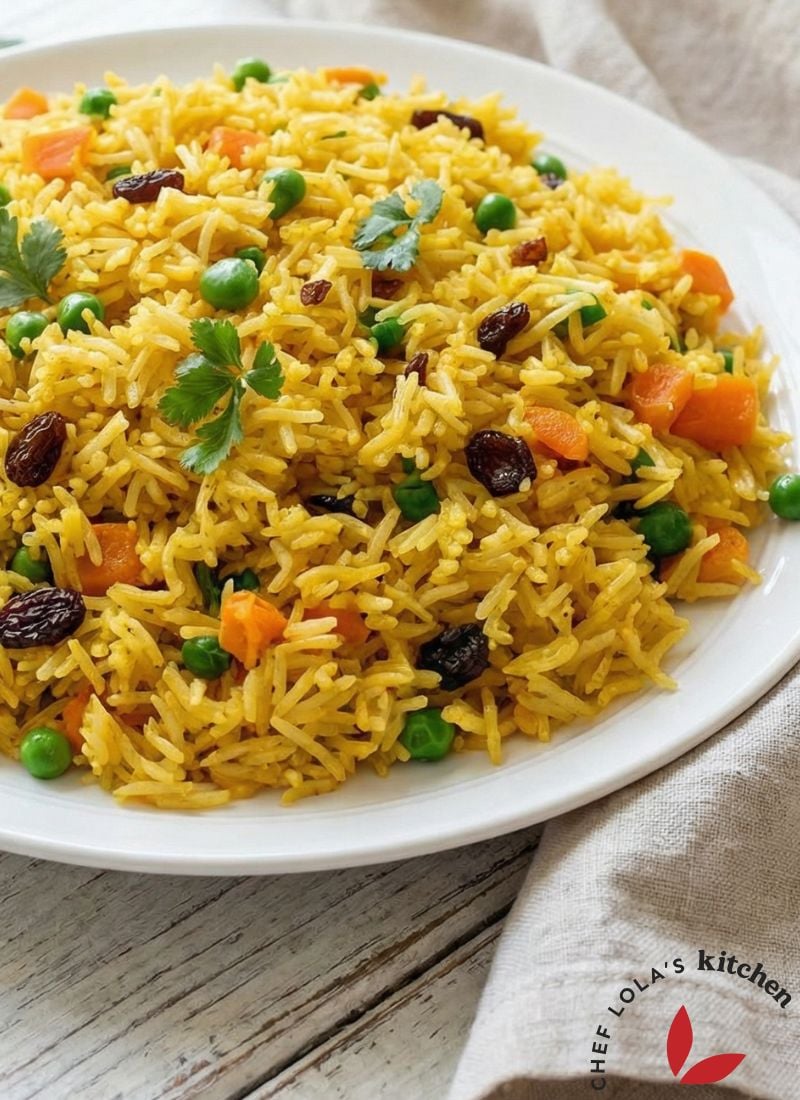
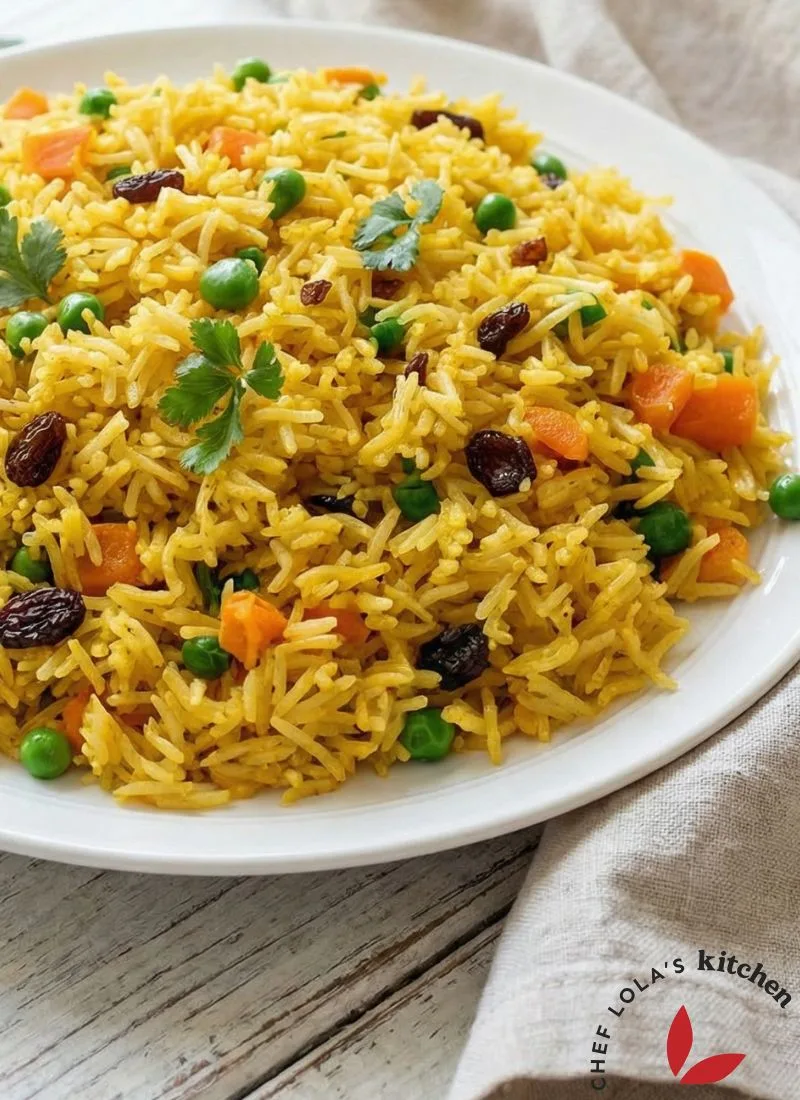
Rice Pilaf Recipe - Homemade and Easy
Ingredients
- 2 cups long-grain white rice preferably basmati or jasmine
- ½ teaspoon saffron threads
- 4 cups low-sodium chicken or vegetable broth
- 1 medium onion finely chopped
- 2 cloves garlic minced
- ¼ cup unsalted butter or olive oil
- ½ cup diced carrots
- ½ cup frozen peas
- ½ cup golden raisins or dried currants optional
- ½ teaspoon ground cumin
- ½ teaspoon ground turmeric
- ½ bouillon powder optional
- salt and pepper to taste
- Fresh parsley or cilantro for garnish (optional)
Instructions
- Place the rice in a fine-mesh sieve and rinse under cold running water until the water runs clear. This helps to remove excess starch and prevents the rice from becoming sticky. Drain well and set aside.
- In a small bowl, add the saffron threads and pour 2 tablespoons of hot water over them. Let it steep for about 10 minutes to release the vibrant color and aroma. Set aside.
- In a large skillet or saucepan, heat the butter or olive oil over medium heat. Add the chopped onion and cook, stirring occasionally, for 5-7 minutes, or until soft and translucent. Add the minced garlic and cook for another 30 seconds to 1 minute, or until fragrant.
- Add the drained rice to the skillet and toast stirring constantly, for 2-3 minutes, until the rice is lightly toasted and coated with the butter or oil. Add the cumin, turmeric, salt, black pepper and stir to coat the rice evenly with the spices.
- Pour the chicken or vegetable broth into the skillet along with the soaked saffron (including the liquid) and stir to combine. Bring the mixture to a boil, then reduce the heat to low and cover the skillet. Allow the rice to simmer gently for about 18-20 minutes or until the liquid is absorbed and the rice is tender.
- Once the rice is cooked, add the frozen peas, diced carrots, and raisins to the skillet. Stir gently to combine all the ingredients. Cover the skillet again and let it simmer for an additional 5 minutes or until the peas and carrots are tender.
- When the rice is cooked, remove the skillet from the heat and let it stand, covered, for 5 minutes. Then, using a fork, gently fluff the rice to separate the grains. Garnish with fresh parsley or cilantro if desired.
- Serve immediately. Enjoy!
Nutrition
Let’s connect on YouTube, Facebook, and Instagram. I love keeping in touch with you; nothing brings me more joy than seeing pictures of your creations. Tag me @cheflolaskitchen on Instagram and Facebook.