
Tahini is very easy to make at home. I will show you how to make it from scratch, get the right texture, and use it in everyday cooking.

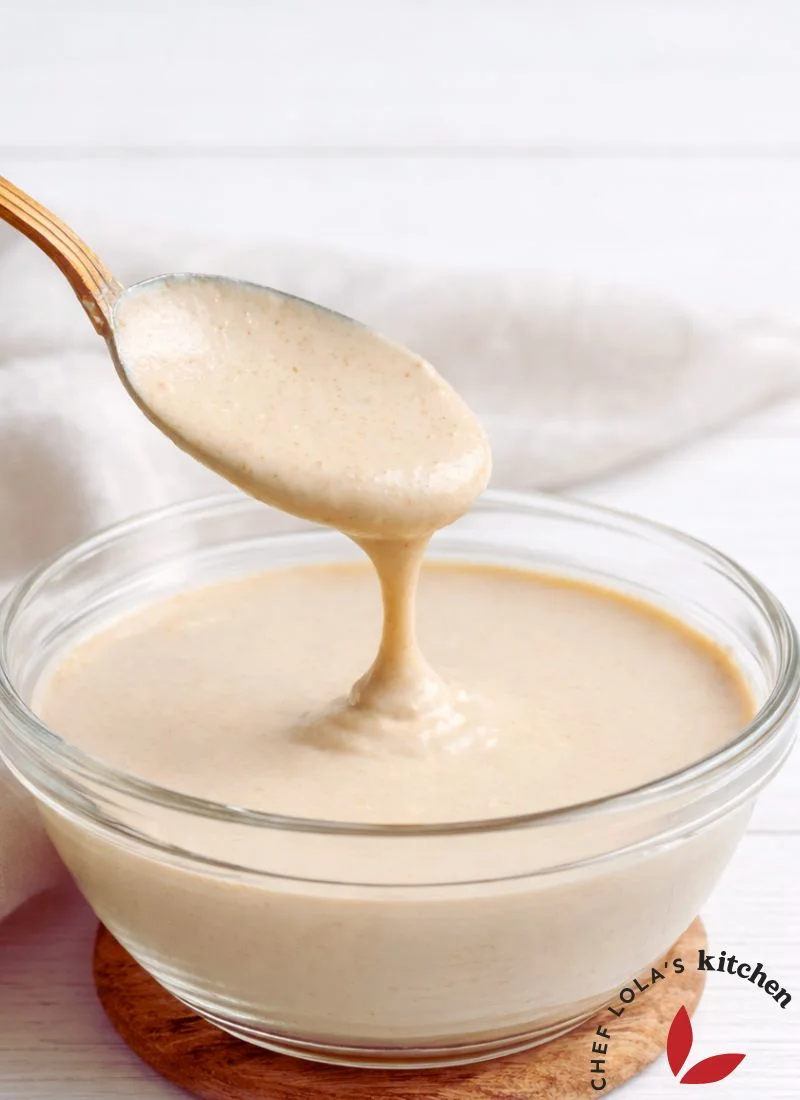
What is Tahini?
Tahini is a smooth paste made from ground sesame seeds.
It is commonly used in Middle Eastern and Mediterranean cooking. The flavor is nutty, slightly earthy, and rich. I like tahini because it adds depth to both savory and sweet recipes. Its nutty flavor is a people's favorite and is mostly known to be used in making hummus.
You can also explore how to turn tahini into a flavorful drizzle here: Tahini Sauce Recipe
Origin…
Tahini is the Arabic name for ground sesame seeds, but it actually originates from Persia, where it was referred to as "ardeh". When it was introduced to Israel, it was considered a delicacy because sesame seeds were costly to obtain. In other cultures, tahini was even traded as currency due to its value.
Tahini doesn't take long to make. Just like nut butters like cashew butter, almond nut butter, and peanut butter. It is quick, easy to make, and an healthy addition to your meals.
Why Make Tahini at Home?
Store-bought works well, but homemade tahini has advantages.
Here’s why I prefer making mine:
- Fresher flavor
- Better texture control
- No added preservatives
- Simple ingredients
Once you learn the method, it becomes very easy.


Ingredients used to make Tahini
- Sesame seeds: I make use of hulled sesame seeds. These are generally better, smoother, and less bitter than unhulled sesame seeds.
- Neutral oil: Grapeseed, avocado, or light olive oil works best.
- Salt: This is optional, but I use it to make Tahini taste better.
How to make Tahini
- Toast sesame seeds in a skillet on low heat until golden and fragrant (around 5-10 mins). Let the toasted seeds cool completely before blending.


- Blend the seeds in a food processor or high-powered blender and blend until a crumbly paste forms (1-2 mins).

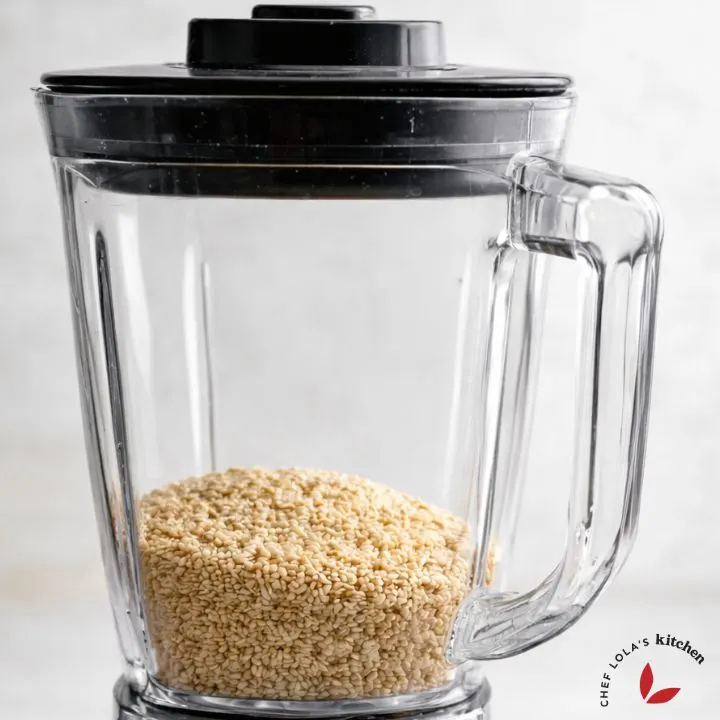
- Slowly drizzle in oil, blend until smooth and creamy.

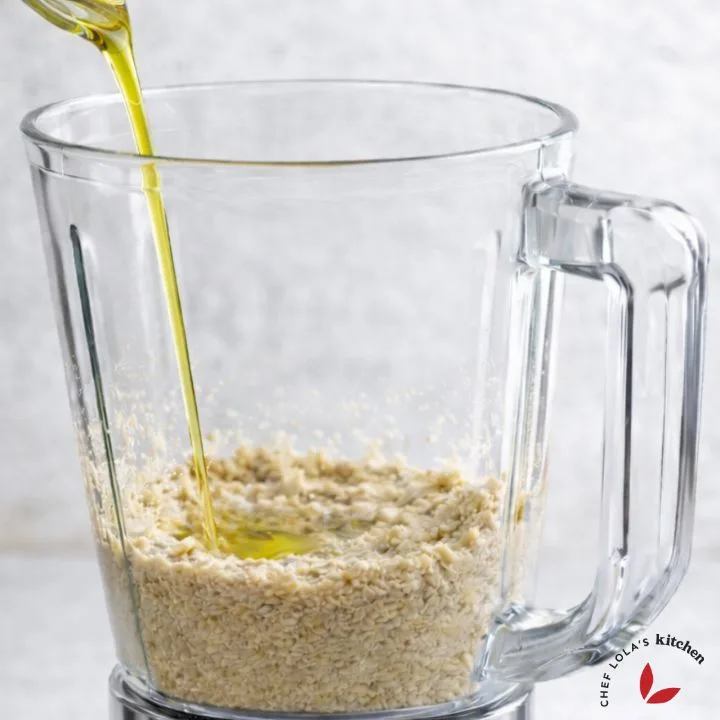
- Add salt for taste, and store in an airtight container in the fridge for up to one month. Stir before using.

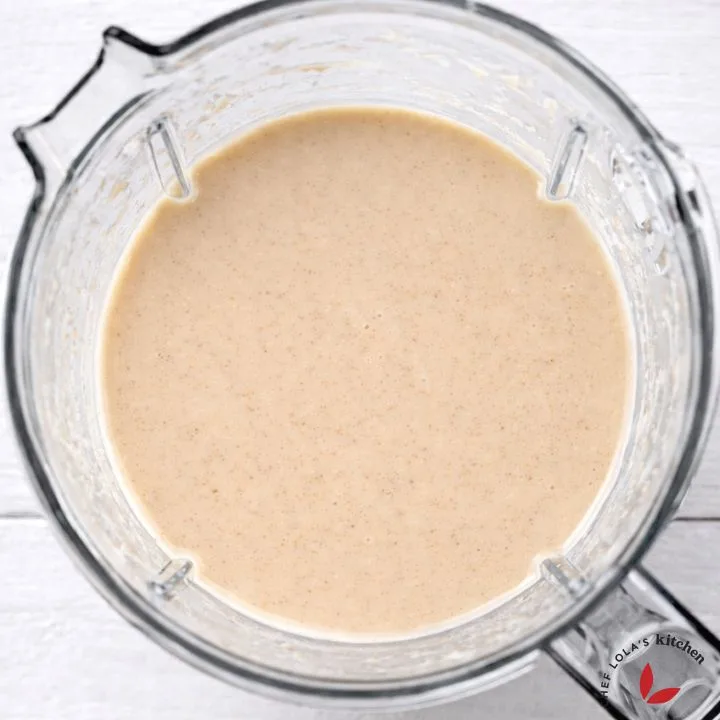
How I Get Ultra-Smooth Tahini
A food processor is often the easiest tool for making tahini, but a high-powered blender can work as well. Pause occasionally to scrape down the sides and bottom to ensure all the seeds are evenly blended.
Using Sprouted or Black Sesame Seeds
Tahini can also be prepared with sprouted or black sesame seeds. If you’ve sprouted the seeds yourself, be sure they are fully dried and lightly toasted before blending them. Excess moisture can affect the texture and shelf life.
Unhulled Sesame Seeds
Tahini made from unhulled sesame seeds tends to have a stronger, slightly bitter flavor and a coarser texture. For a smoother, milder result, hulled sesame seeds are generally the better choice.
How to Store Homemade Tahini
Store in an airtight container and refrigerate for up to 1 month. If oil separates, just stir before using.
How to use Tahini
Tahini is very versatile and can be used for many things. Here are some ways I use it:
- In Salad Dressings: Mix tahini with lemon juice, garlic, olive oil, and salt for a creamy dressing. It pairs beautifully with fresh salads or grilled vegetables.
- With Rice Dishes: A light tahini drizzle can balance bold flavors in dishes like Nigerian Jollof Rice or other rice recipes found in the Rice Recipes Collection.
- As a Dip Base: Blend tahini with yogurt, garlic, and herbs for a creamy dip for vegetables or grilled corn.
- Use it as a spread on toast or sandwiches
- Drizzle on Chicken Shawarma for the best flavors
- It is a key ingredient in hummus and provides much of its distinctive flavor and creaminess.
Tips
- Toast the sesame seeds to make it more fragrant and nutty.
- Grind the seeds a bit first before adding the oil.
- Start with a couple of teaspoons of oil for the best consistency.
- Use a high-quality blender or food processor to achieve a smooth, creamy consistency.
- You can customize the flavor of your tahini paste by adding additional ingredients like garlic, lemon juice, or honey.
- Store leftover paste in an airtight container in the refrigerator to keep it fresh for up to a month.
- It's also important to note that tahini paste can be quite thick, so you may need to add additional liquid (like oil or water) as you blend to achieve the desired consistency.

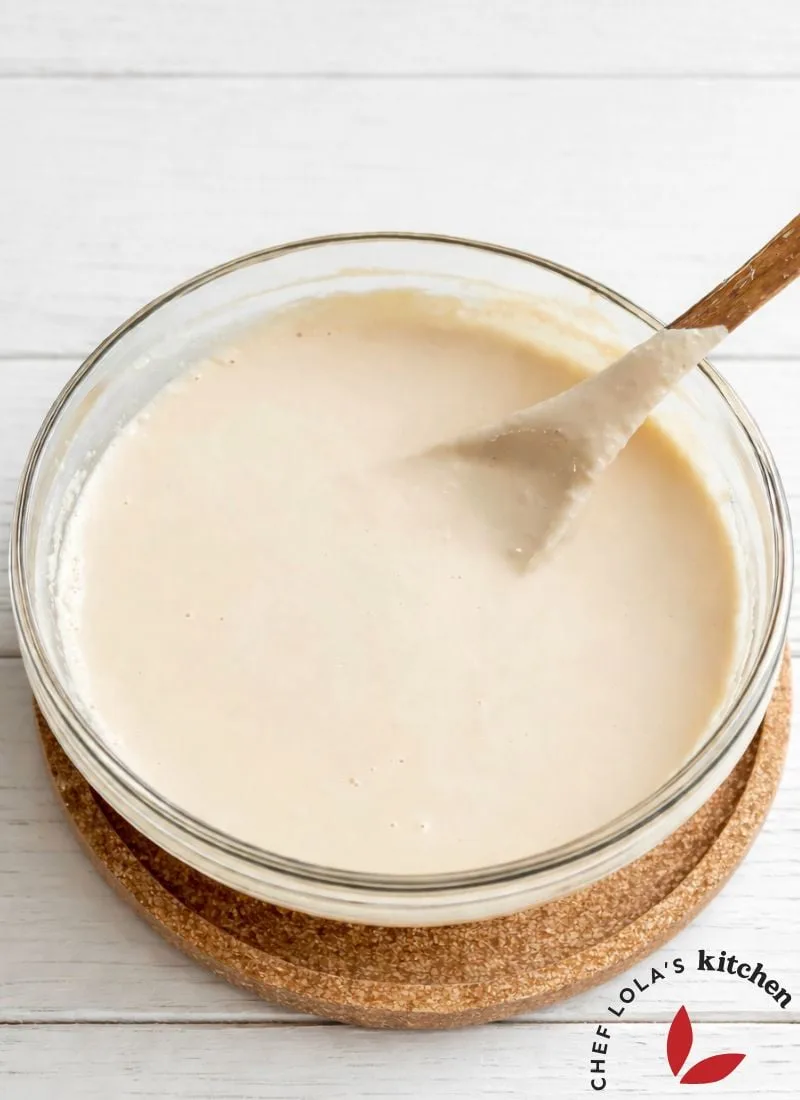
Tahini is made from hulled sesame seeds, neutral oil (you can choose to use grapeseed oil, avocado oil, olive oil or any oil of your choice) and salt. Salt is optional.
Yes, it can be eaten raw. However, I prefer to toast the sesame seeds for a slightly different flavor. To make raw tahini, skip the toasting step when making it and proceed with blending the raw sesame seeds.
It has a unique, nutty, and slightly bitter flavor with a creamy texture. It balances well with lemon, garlic, and salt. That’s why it works beautifully in sauces and dressings.
Yes, it is best to refrigerate Tahini to prevent it from going rancid quickly.
Yes. It’s rich in healthy fats, protein, and minerals like calcium.
You can, but toasting enhances flavor significantly.
Nut butters you can easily make at home
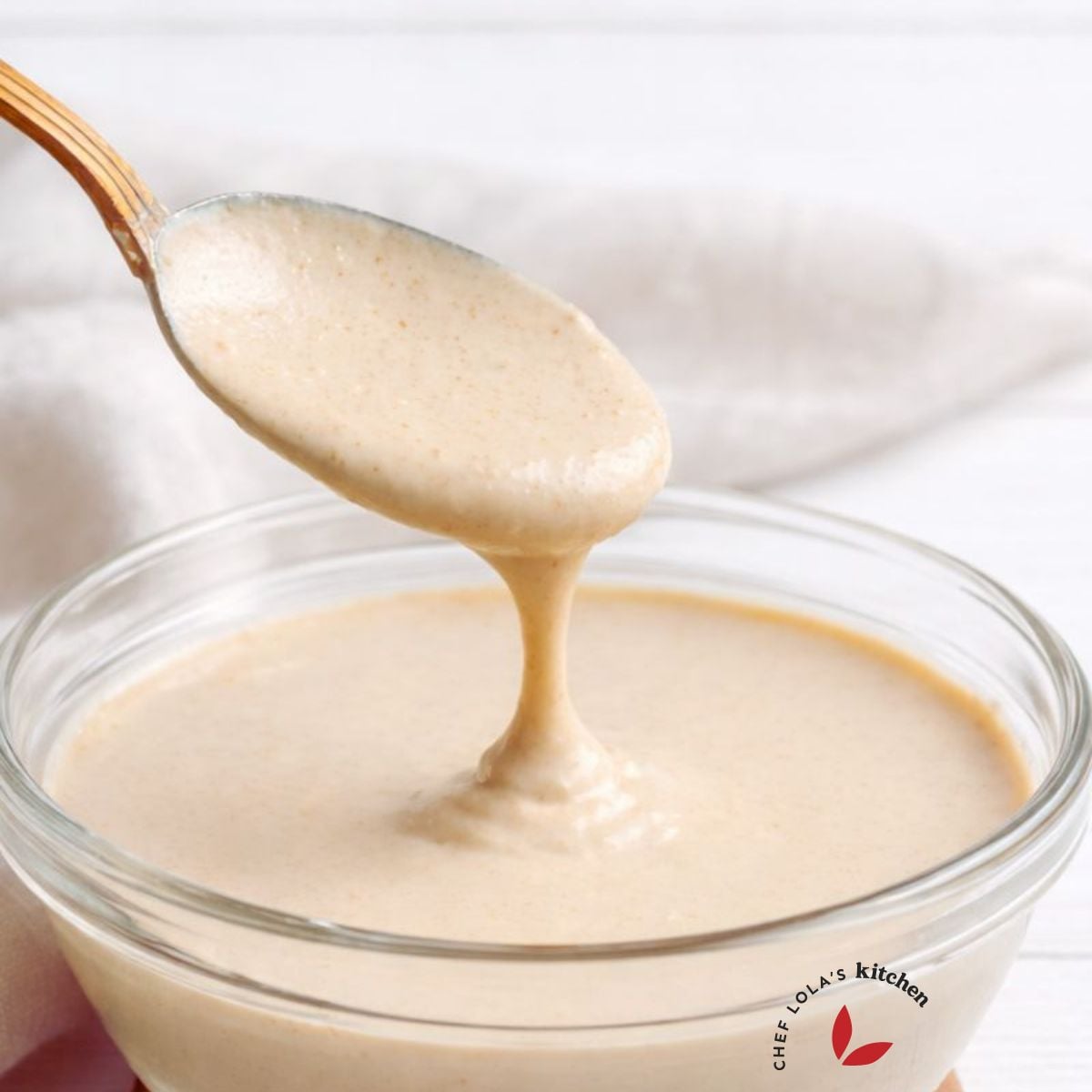

Tahini
Ingredients
- 1 cup sesame seeds hulled
- 2-4 tablespoon light olive oil or any other neutral oil such as grapeseed, avocado oil
- pinch salt optional
Instructions
- Place a large skillet over medium-low heat. Add the sesame seeds and toast them, stirring frequently, until they become fragrant and slightly golden. About 5-10 minutes. Be careful not to burn them. Remove from heat and let the seeds cool completely.
- Transfer the cooled sesame seeds to a food processor or high-powered blender. Process the seeds until they form a crumbly paste. About 1-2 minutes.
- With the food processor or blender running, slowly drizzle in the oil. Continue processing until the mixture becomes smooth and creamy. You may need to scrape down the sides of the bowl occasionally to ensure even blending. .
- If the tahini seems too thick, add a bit more oil until it reaches your desired consistency.
- If desired, add a pinch of salt to taste.
- Transfer to an airtight container and store it in the refrigerator for up to one month. It may separate over time; simply give it a good stir before using it.
Notes
Transfer your tahini to a sealed, airtight container and store it in the refrigerator for up to one month. Over time, natural separation may occur this is completely normal, similar to what happens with natural peanut butter. Simply stir it thoroughly to recombine before using. Troubleshooting:
It may take a minute or two for the sesame seeds to begin breaking down into a paste. If they are simply spinning around the bowl without processing, your food processor may not be powerful enough, or the blades may not be reaching the seeds properly. Adding more seeds to the bowl can sometimes help the blades catch and grind them effectively. Nutrition Information:
Please note that the nutritional values provided is for the whole batch
Nutrition
Let’s connect on YouTube, Facebook, and Instagram. I love keeping in touch with you; nothing brings me more joy than seeing pictures of your creations. Tag me @cheflolaskitchen on Instagram and Facebook.
J Carkin
Wednesday 22nd of April 2026
I assume you meant 2-4 TABLESPOONS of oil, not cups.
Lola Osinkolu
Thursday 23rd of April 2026
Yes it's 2 tablespoons.