
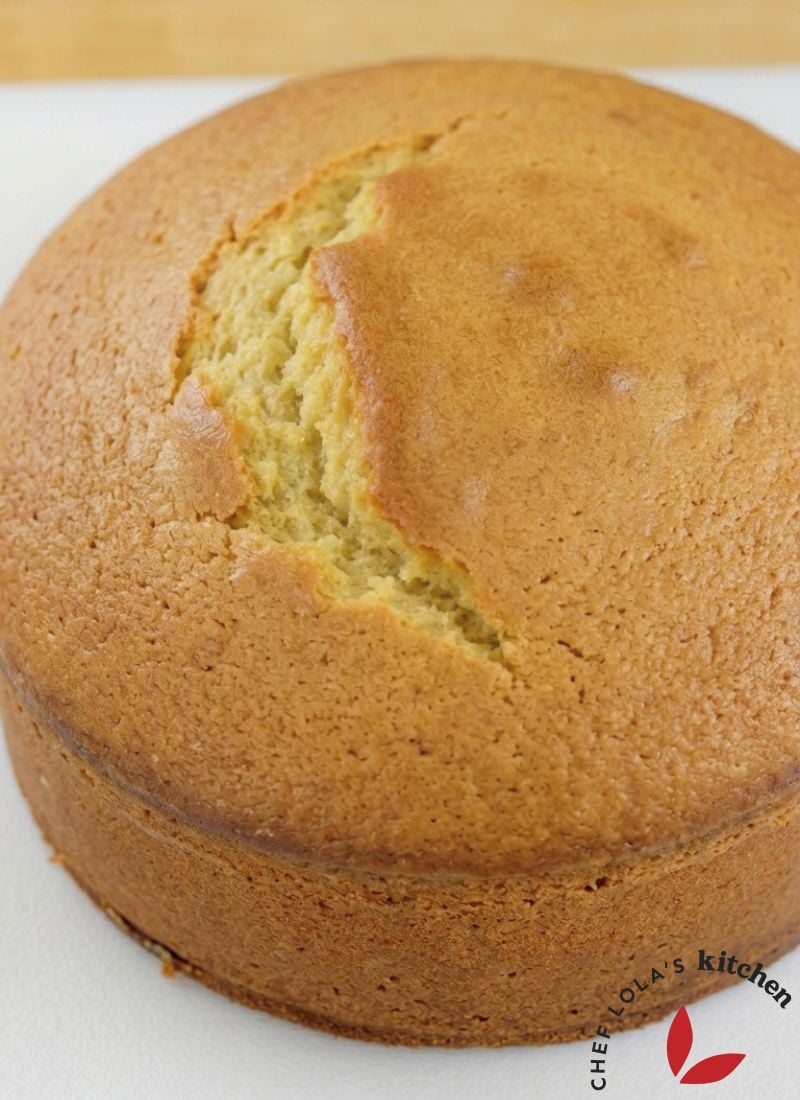
There is something comforting about this Nigerian cake. It is simple but elegant. The flavor is buttery and balanced. The texture is soft but firm enough to slice neatly.
Nigerian Cake (African Pound Cake)
I grew up watching Nigerian cake being sliced at birthdays and celebrations, and even now, the smell of it baking instantly takes me back to those joyful moments.
This cake belongs to the family of pound cakes, but it has its own identity. It is rich, buttery, slightly dense, and very satisfying. Once you take a bite, you can immediately tell it is not just any cake.
Even though recipes may vary from family to family, the result is always familiar.
What Makes Nigerian Cake Different
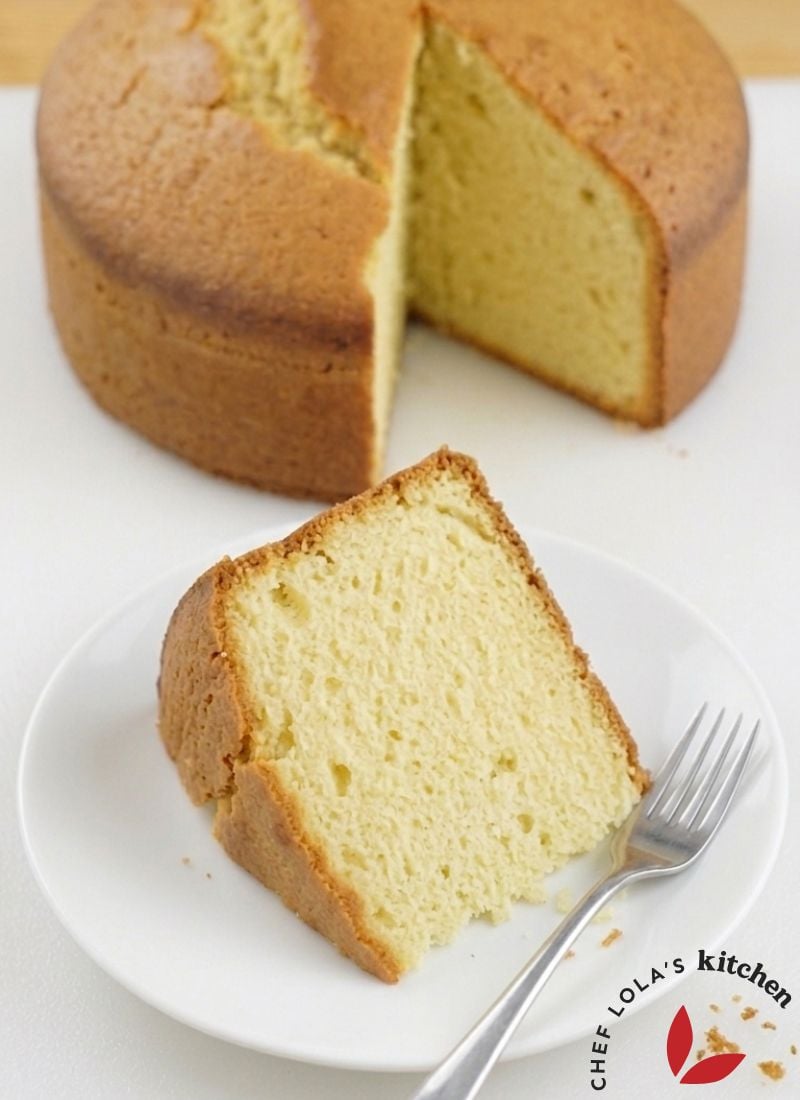
This is not a light sponge cake. Nigerian cake is:
- Rich and buttery
- Slightly dense but still soft
- Firm enough to slice cleanly
It sits right in between a classic pound cake and a celebration cake, which is why it works so well for events.
It's A Big Cake
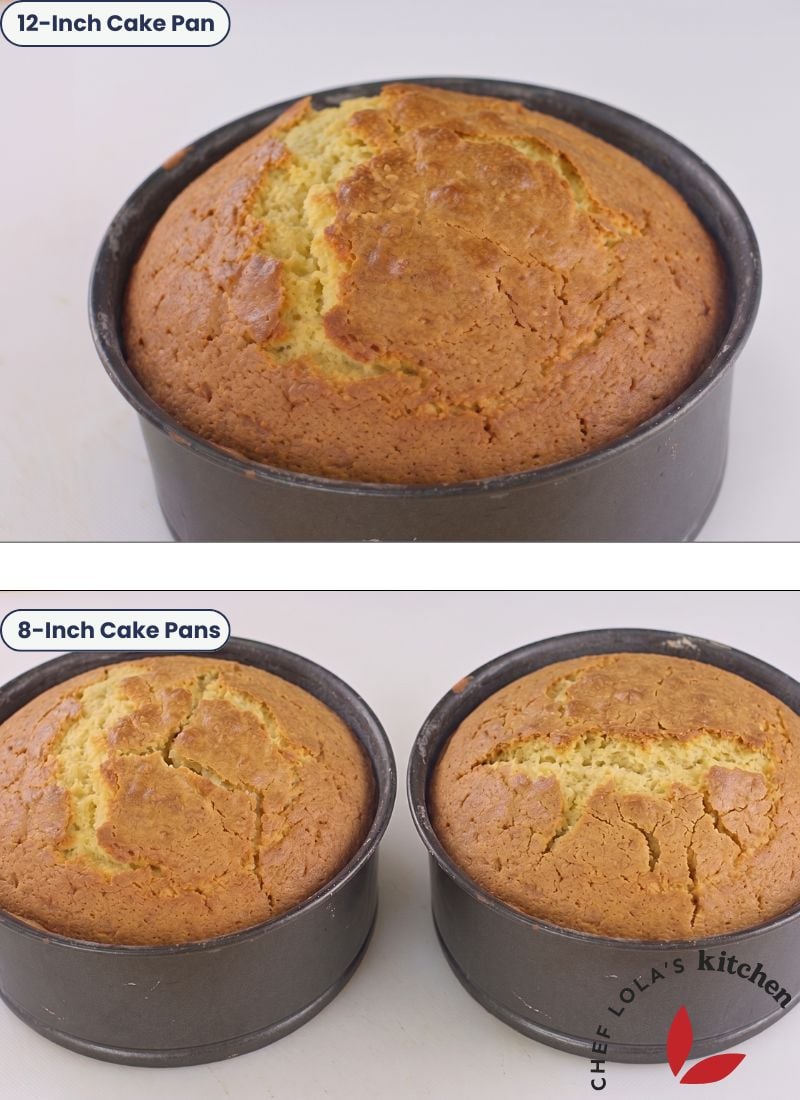
If this is your first time making this cake, I advise you not to bake everything in one large pan.
Instead, divide the batter into two smaller pans. This helps the cake bake faster and more evenly, giving you a softer texture.
I used a 12-inch pan here, but two 8 or 9-inch pans will give you more consistent results, especially if you are still getting used to the recipe. You can definitely make this size by the time you master it.
I used a 12-inch round cake pan for this recipe. However, two 8/9-inch pans will work perfectly well; this would, however, affect the cooking time.
Margarine Or Butter?
Margarine is traditionally used to make the Nigerian cake; this is mainly because, back in the days, we had little to no access to butter. This is why I used salted rather than unsalted butter in this recipe, since margarine is salty.
Butter gives a richer flavor and slightly softer texture, which is why I switched to using butter. You can switch to use margarine if that's your preference.
Ingredients You Will Need
- Butter gives richness and flavor
- Eggs provide structure
- Flour builds the body of the cake
- Sugar adds sweetness and texture
- Milk adds moisture
- Nutmeg gives that signature flavor
- Vanilla rounds everything out
How to Make Nigerian Cake
- Grease your baking pan with butter and dust lightly with flour.
- Combine flour, baking powder, and nutmeg in a bowl.
- Beat butter and sugar until light, fluffy, and creamy.
- Add eggs one at a time, mixing well after each addition.
- Mix in the vanilla extract.
- Alternate adding the flour mixture and milk. Mix just until combined.
- Pour into your prepared pan and bake until golden brown and a toothpick inserted in the center comes out clean.
How I Keep My Nigerian Cake Moist
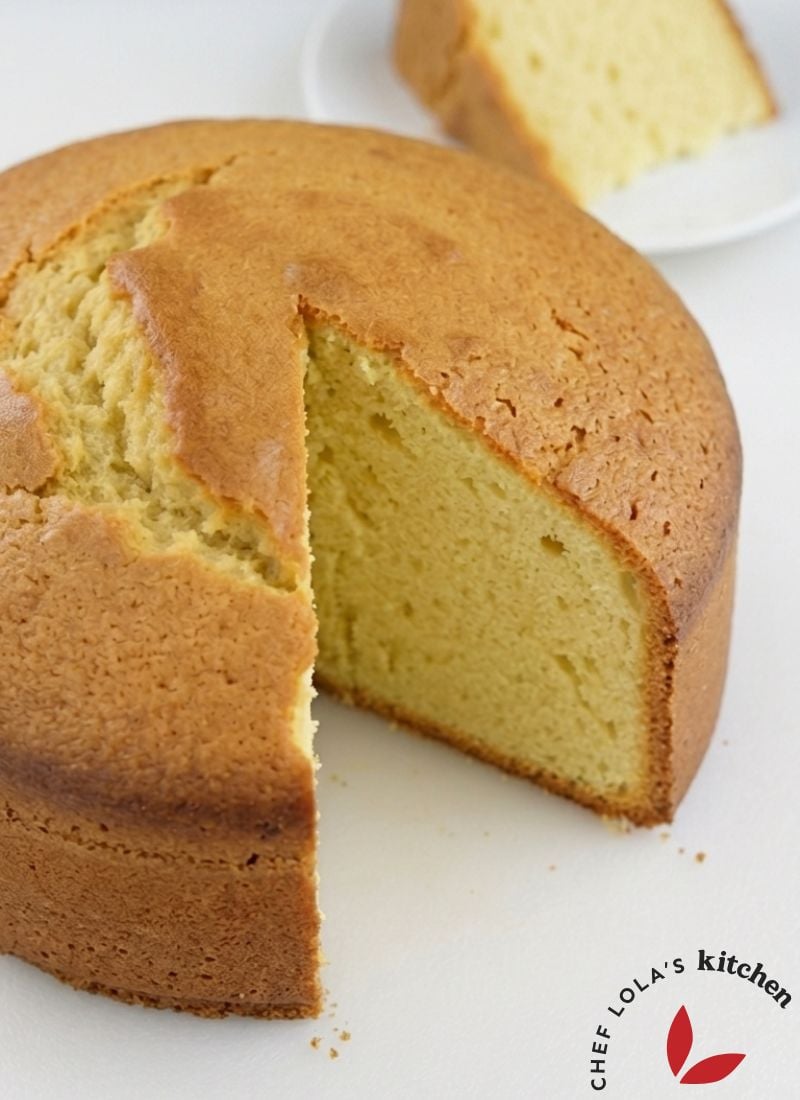
- Use room temperature ingredients
- Do not overbake. Overbaking is the quickest way to dry cake.
- Measure flour properly
- Allow the cake to cool before slicing
Frequently Asked Questions
Can You Make Nigerian Cake Ahead Of Time
Yes. Nigerian cake actually tastes even better the next day after the flavors have settled.
Why is my Nigerian cake too dense?
Your cake may turn out dense if the butter and sugar were not creamed properly, if you overmixed the batter after adding flour, or if the cake was overbaked. Proper mixing and careful baking make a big difference.
How do I keep Nigerian cake moist?
Use room temperature ingredients, measure flour correctly, avoid overmixing, and do not overbake. Once cooled, store the cake tightly covered to prevent it from drying out.
Can I use Margarine?
Yes! Many classic Nigerian cakes actually use Margarine.
Let's Bust Some Myths About Nigerian Style Pound Cake
1 - You must beat egg whites separately for a fluffy cake
Not necessary for most Nigerian cakes. This works for sponge cakes or genoise-style cakes.
2 - If your cake cracks on top, you failed
False! Many Nigerian cakes naturally crack slightly because they are rich and dense.
3 - More baking powder equals a higher cake
Too much baking powder can cause rapid rising, then collapse, bitter aftertaste, tunnels/holes, and weird texture. More isn’t better. Correct measurement matters.
4 - You can’t bake a good cake without a mixer
False! Before stand mixers became common, people made amazing cakes by hand. Technique matters more than equipment. A mixer helps with speed, though
Storage
- Wrap tightly and store at room temperature for up to three days.
- You can also freeze it for up to 2 months for longer storage.
Watch How To Make It:
Notes:
- Try not to overmix the cake batter; this will result in a dense and chewy Cake.
- Don't worry about the crack on top of this cake; it is common with pound cakes.
- Leave your ingredients at room temperature before using them.
- You can store it at room temperature for up to 3 days or in the freezer for up to 2 months.
- If you choose to half this recipe (recommended for first timers), note that the cake will bake for a lesser time (about 40 minutes to 1 hour)
- I use the standard American measuring cup for my measurements
Check out our other Sweet Cake Recipes:
Still want more cake recipes? Try out our favorite cake collections.
African Pound Cake
Ingredients
- 4 cups all purpose flour
- 1 tablespoon baking powder
- ½ teaspoon nutmeg
- 4 sticks salted Butter 2 cups of Butter
- 2 cups sugar
- 10 eggs
- 1 tablespoon vanilla extract
- ½ cup milk or dissolve 4 Tbs of powdered Milk in ½ cup of Water
Instructions
- Preheat the oven to 350℉ (180℃). Grease your baking pan with some butter and dust it with some flour, then set it aside. 12-inch pan or 2 8/9 inch pans.
- In a bowl, mix flour, baking powder, and nutmeg. Set aside
- In another bowl, cream butter and sugar until light and fluffy. About 10 minutes using a hand whisk, 2 to 3 minutes in a stand mixer (med/low speed), 3 to 4 minutes with an electric hand mixer (med/low speed).
- Add eggs one at a time, mixing well after each addition. Scrape down the bowl as needed.
- Add vanilla extract and mix.
- Alternate adding flour mixture and milk, mixing just until combined.
- Pour the batter into the baking pan and bake for 80 to 100 minutes if using the 12-inch pan and 60 to 70 minutes if using the 8-inch pans.
- Bake until it's golden and caramelized on the edges and a toothpick inserted in the center of the cake comes out fairly clean.
Nutrition


Lola Osinkolu
Thursday 7th of May 2026
Great recipe, I've made it over and over again. We never get tired of eating it.
Oto
Tuesday 24th of March 2026
Is the butter salted or unsalted. Thank you.
Lola Osinkolu
Wednesday 20th of May 2026
Hi Oto, it's salted.
Kayo
Saturday 13th of December 2025
Question for you - is it salted butter or unsalted butter to use?
Lola Osinkolu
Monday 18th of May 2026
Hi Kayo, my sincere apologies for replying late. I used salted butter.
Crystal
Friday 4th of April 2025
Can you please tell me what size pan you use. It doesn't say anywhere. I'd like to have the recipe
Seyi
Tuesday 22nd of October 2024
Came out perfect as 14 cupcakes. Baked at 375 for 18mins. Awesome recipe
Lola Osinkolu
Wednesday 23rd of October 2024
So glad to hear they turned out great! Thank you for sharing your success!!