
Fonio (Acha) is an ancient African supergrain packed with nutrients. Learn its benefits, how to cook it, and easy recipe ideas for everyday meals.
If you are new to Fonio or curious about how to use it, this guide breaks down everything you need to know.
What Is Fonio (Acha)?
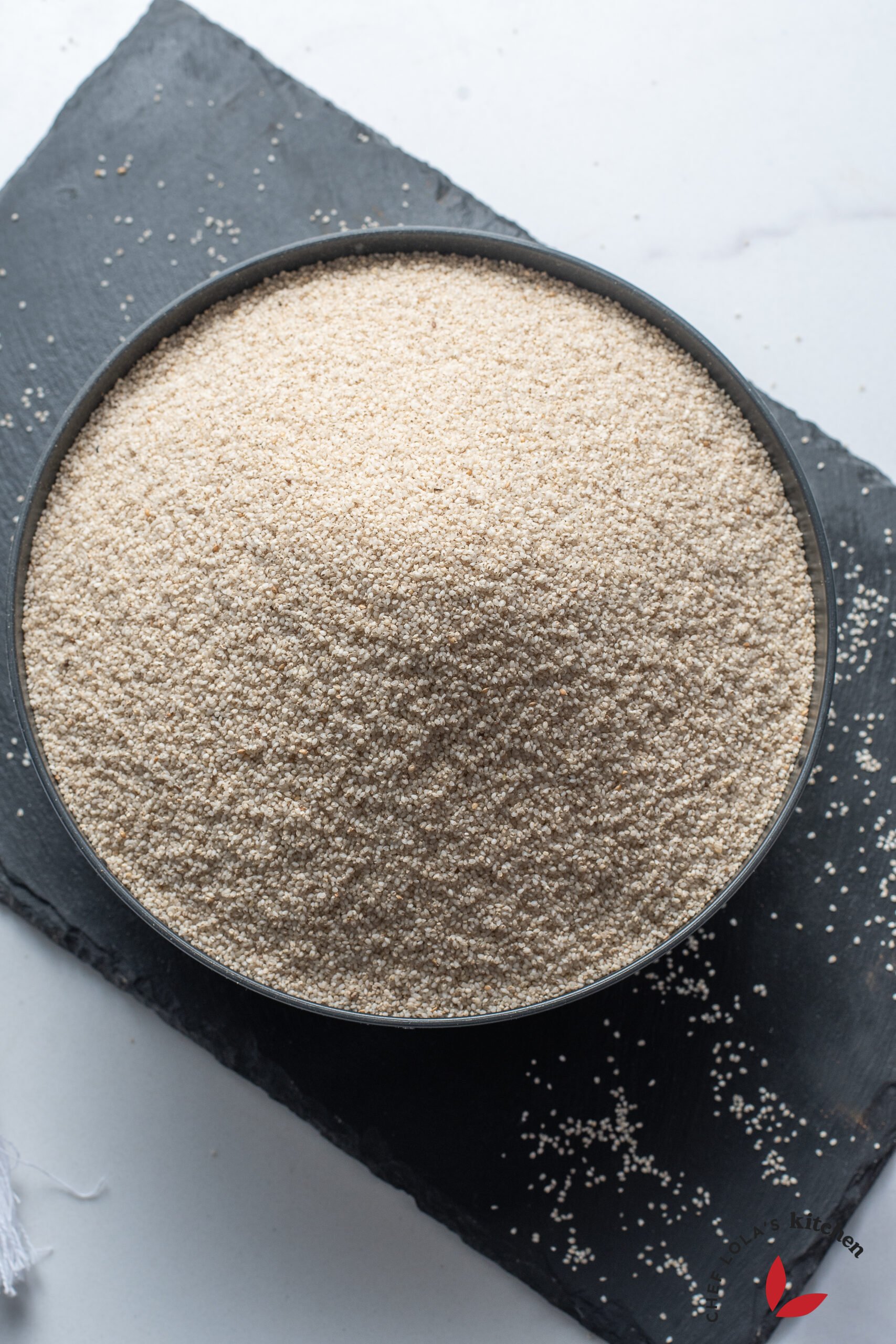
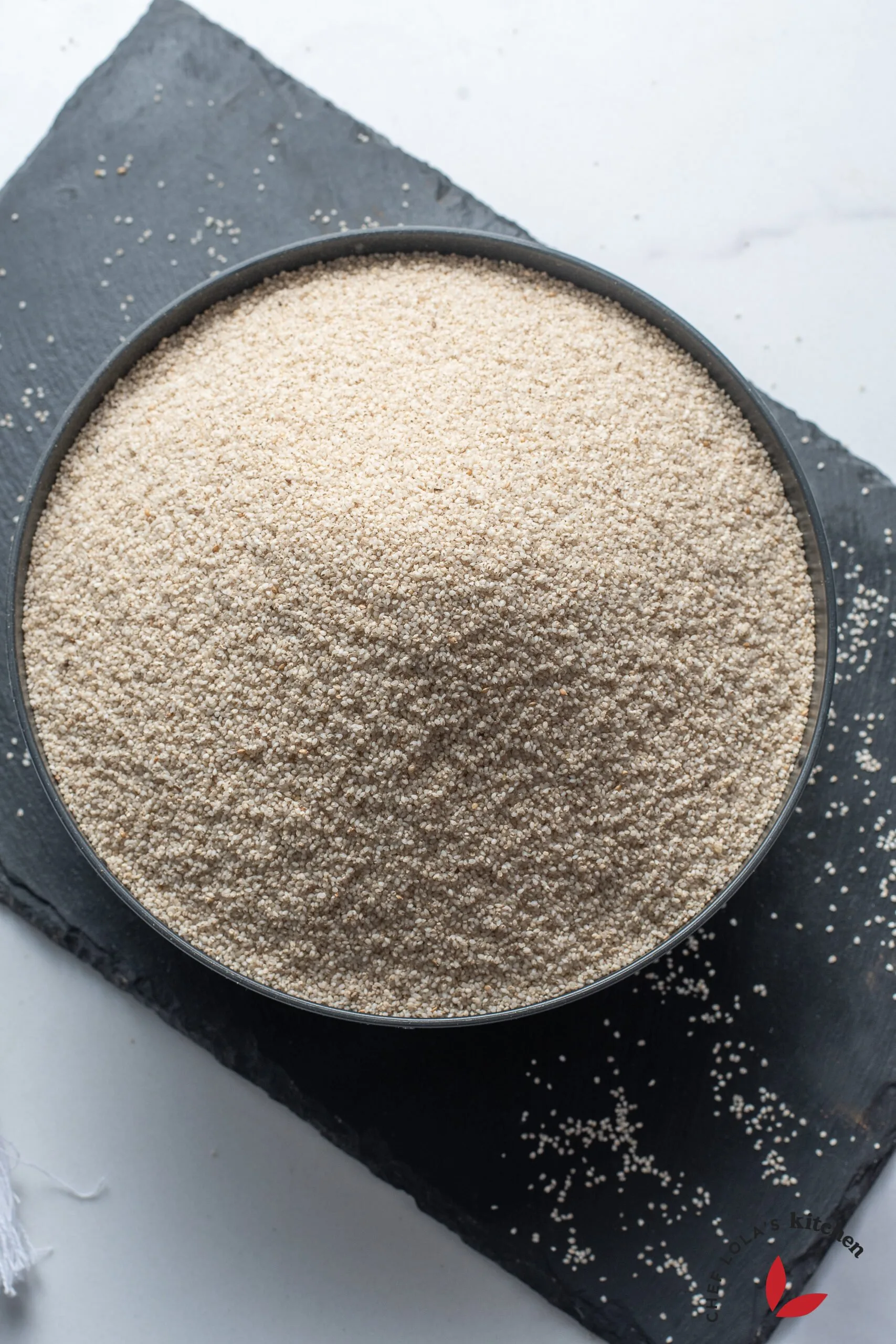
Fonio (Digitaria exilis), also known as Acha, Hungry rice, or Fundé, is one of West Africa’s oldest cultivated grains. Naturally gluten-free, fast-cooking, and incredibly nutritious. It has been grown for thousands of years, especially in Nigeria, Mali, Senegal, and Guinea.
It is one of the smallest grains in the world, yet one of the most nutrient-packed. Because of its resilience, farmers consider Fonio a “climate-smart” crop; it grows in poor soil, requires little water, and matures quickly.
It is not surprising that Fonio is among the world’s fastest-maturing cereals. During the rainy season, its grass matures in only 6-8 weeks and stores well without the risk of pest infestation. Farmers harvest it three times a year, serving as a food source throughout the year.
What Does Fonio Taste Like?
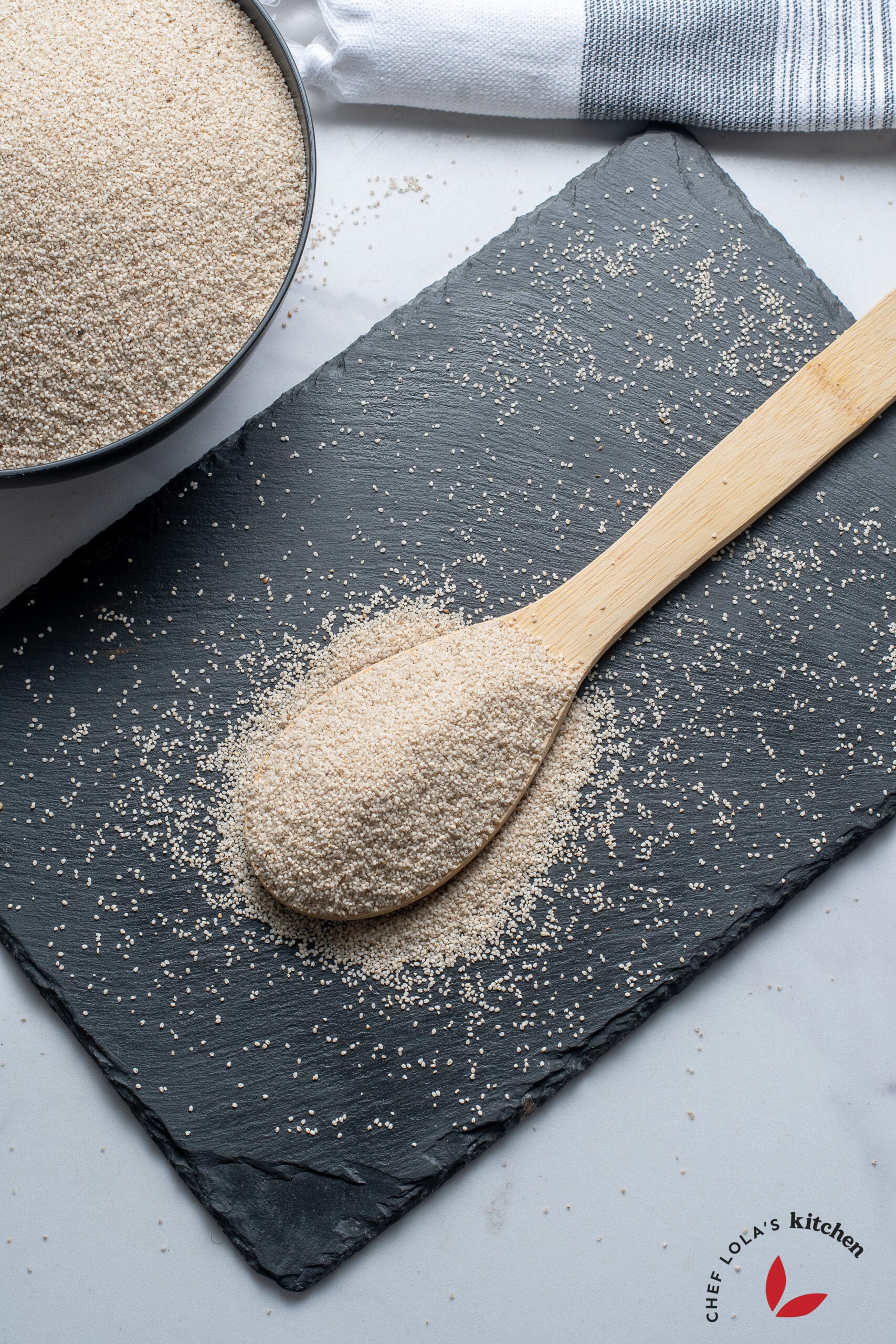
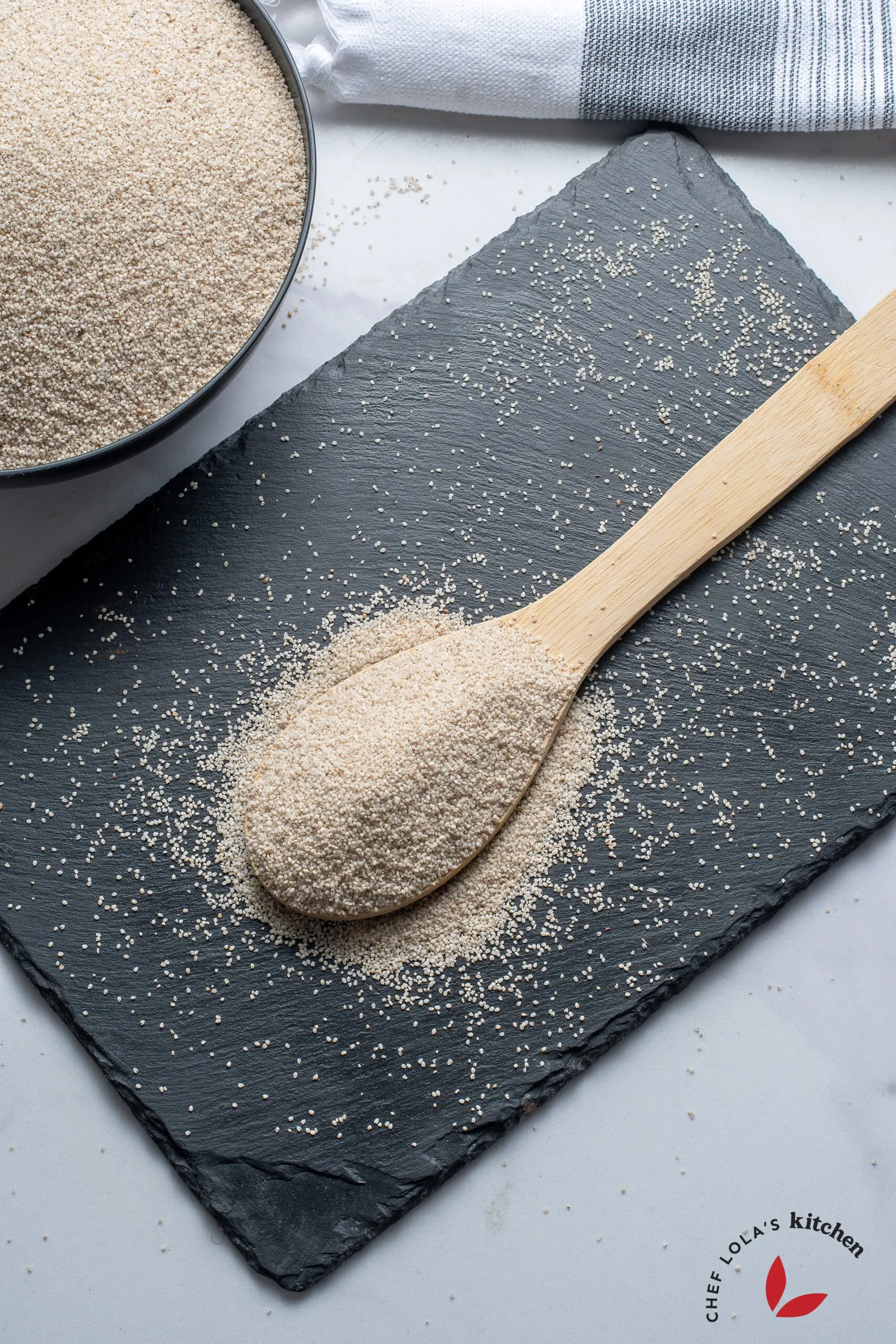
Fonio has a light, nutty flavor that blends well with almost any dish. Its texture is similar to couscous or quinoa, making it versatile for both sweet and savory recipes.
Why Fonio Is a Superfood
1. High in Essential Amino Acids
Fonio contains methionine and cysteine, two amino acids missing in most major grains like rice, wheat, and corn. These support:
- Healthy skin and hair
- Liver function
- Detoxification
2. Naturally Gluten-Free
Perfect for people with:
- Gluten intolerance
- Celiac disease
- Digestive sensitivity
3. Rich in Minerals
Fonio is loaded with:
- Iron: Supports healthy blood
- Zinc: Boosts immunity
- Magnesium: Helps with muscle and nerve function
4. Helps With Blood Sugar Control
With its low glycemic index, Fonio is great for:
- Diabetics
- Weight management
- Avoiding blood sugar spikes
5. Easy to Digest
It's light, fluffy, and gentle on the stomach. Ideal for both adults and kids.
Popular Fonio Recipes
Fonio is incredibly versatile. You can use it in:
Breakfast Porridge
Cook with milk or coconut milk, sweeten with honey, and top with fruits.
Side Dish (like rice or couscous)
Serve with stews, soups, sauces, or grilled proteins.
Fonio Jollof
A tasty twist on traditional Jollof rice.
Salads
Swap couscous with Fonio for a protein-rich salad base.
Baking
Use Fonio flour in bread, pancakes, and cookies.
Where to Buy Fonio
You can find Fonio in:
- African grocery stores
- Health food stores
- Online shops like Amazon
- Local markets (in some West African countries)
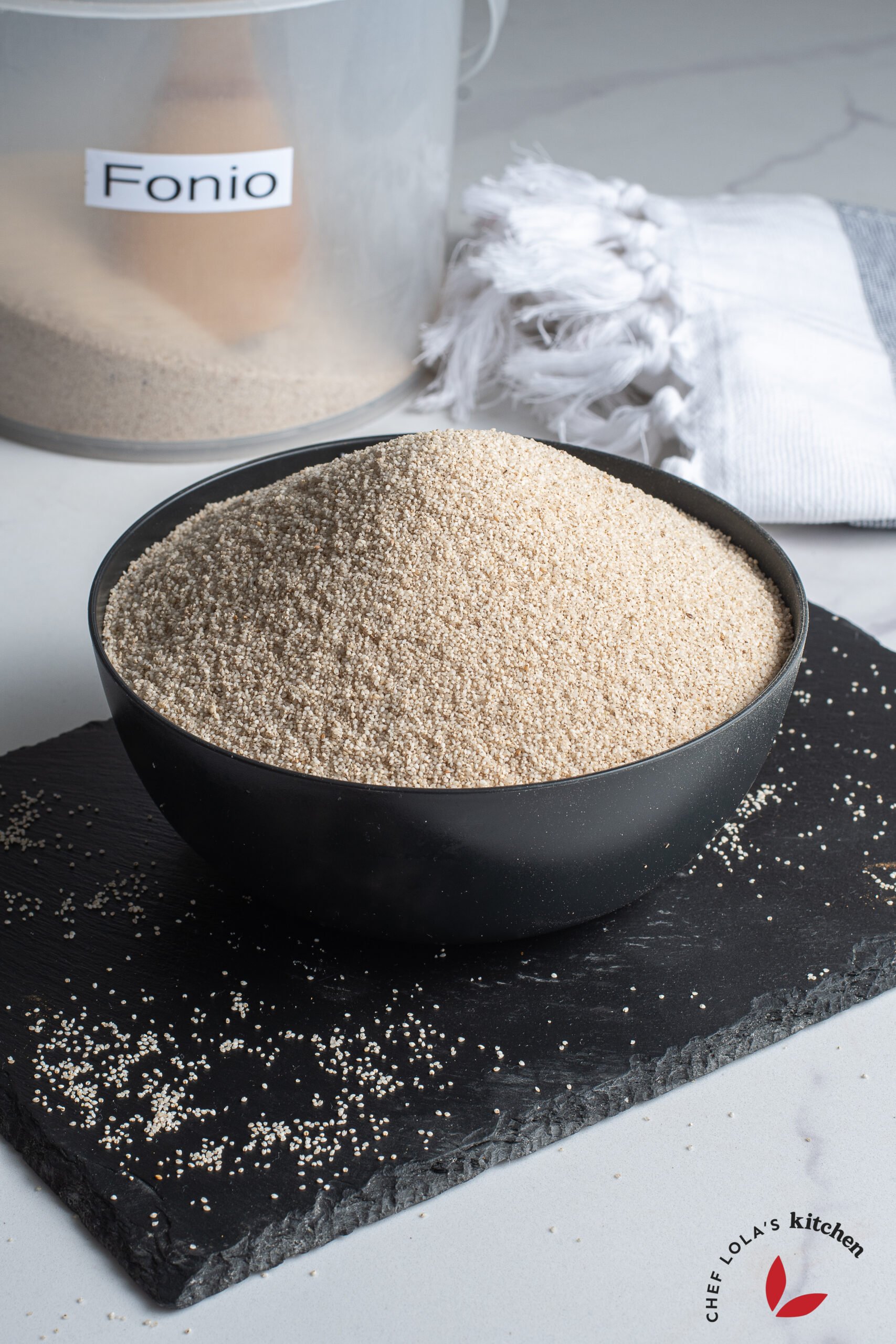
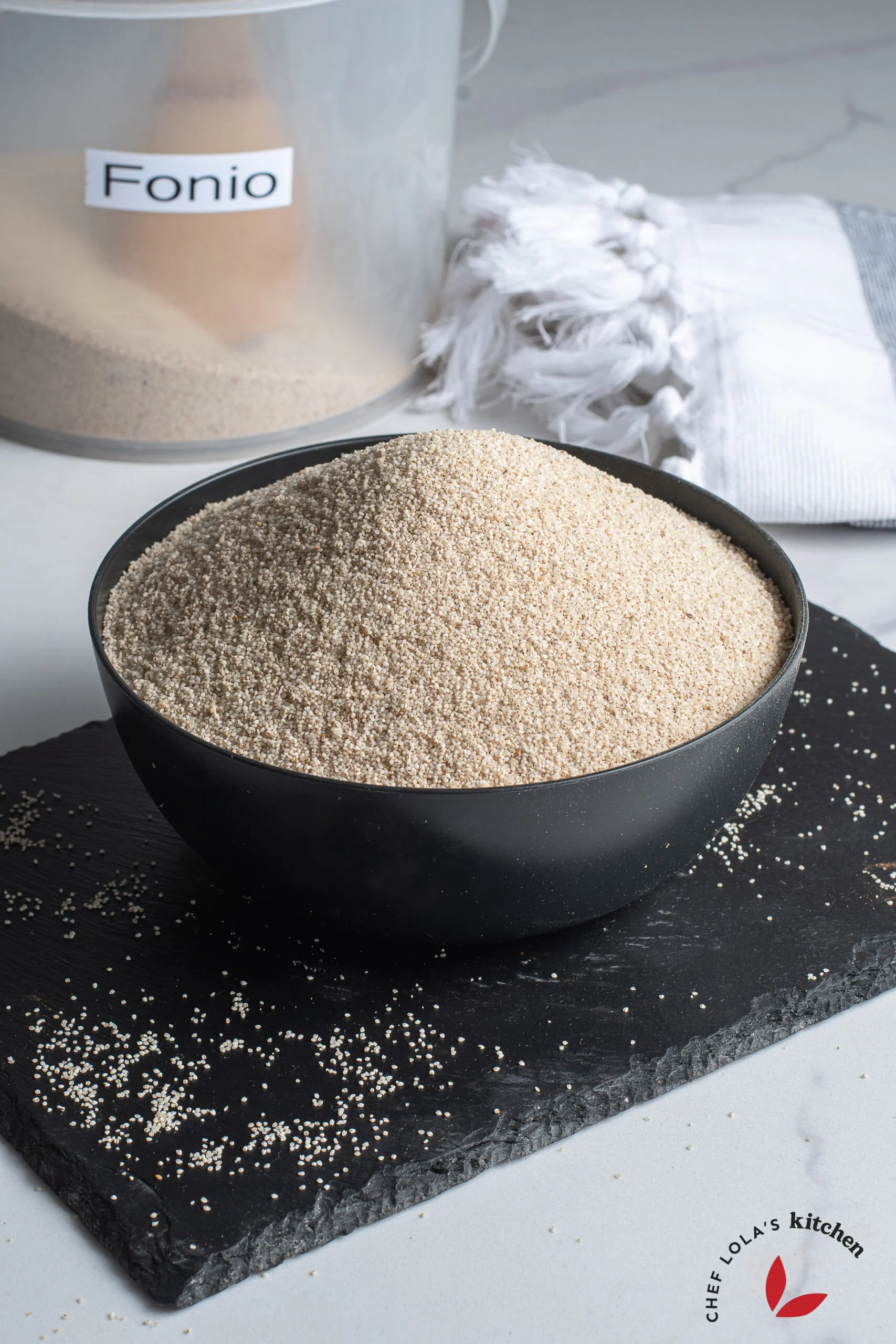
Unwashed fonio can be sandy. I bought that before, and I had to go through a stressful manual destoning process. It's best to look for brands that are stone-free, cleaned, and pre-rinsed.
The Different Types of Fonio
There are two main types, namely:
- Digitaria Iburua (Black Fonio) is known for its darker seeds and unique flavor profile.
- Digitaria exilis (White Fonio) has a lighter seed color and a slightly milder taste, which makes it versatile in cooking.
Nutritional Benefits
Fonio is a highly nutritious grain rich in carbohydrates, protein, fiber, and essential minerals like iron, magnesium, and calcium. It contains about 70-90 kcal per 100 grams cooked, with 14-18 grams of carbohydrates and 1.5-2.0 grams of protein. Fonio is particularly high in methionine, cysteine, and vital amino acids, often lacking in other grains. It is gluten-free, has a low glycemic index, and provides antioxidants that promote digestion and support bone health.
Its nutrient profile makes it an excellent choice for people who want plant-based, gluten-free, and low-glycemic meal options. Thus, it stands out as a versatile and healthy meal option. The United Nations Food and Agriculture Organization (FAO) has suggested that fonio has the highest calcium content of all grains. This may also make it a good choice for those who don’t consume dairy, such as vegans or individuals with lactose intolerance.
Delicious Meal You Can Make from Fonio
Fonio is a versatile grain that can be used to make various meals. People call it the chef's best friend, and I wholeheartedly echo that sentiment. There have been countless occasions when Fonio was the only ingredient I had in my pantry, yet I managed to whip up a delightful range of dishes. The grain's nutty flavor and fluffy texture let me make many dishes, from savory pilafs to sweet breakfast porridge. This shows how versatile the grain can be in the kitchen.
I use Fonio as a substitute for other grains, such as white rice or couscous. I also use it as a swallow for soups like West African Peanut Soup and soup on yam porridge. You can use Fonio flour to make bread, cookies, cakes, or even waffles. Since it is gluten-free, the texture of your baked items may be slightly different compared to those made with wheat flour. You can combine it with other gluten-free flours for better texture and structure.
Some ways that you can prepare Fonio
- Fonio Stir Fry: If you are looking for a quick, warm, wholesome breakfast that cooks in minutes, this Creamy Fonio Porridge is one recipe I highly recommend.
- Fonio porridge: You can make your fonio into a creamy porridge for breakfast li
- You can use Fonio flour in baking to make gluten-free cakes, muffins, and breads.
Whether you enjoy grains or traveling to different parts of the world with your meals, Fonio should be next on your list of healthy and versatile must-tries. I look forward to hearing from you when you try using Fonio in your meals. Until then, stay cooking!