
East African chai tea is made with milk, spices, and tea leaves. This tea is one I’ve made over and over; I just can't get enough of it. It's rich, creamy, and perfect for any time of day.
The Ultimate Authentic East African Chai Tea Recipe
I've always been captivated by the unique blend of spices and flavors found in East African chai tea. This traditional beverage holds a special place in my heart, and I'm thrilled to share this recipe with you.
True East African tea, often called Chai ya Viungo (spiced tea) or Chai ya Tangawizi (ginger tea) in Swahili, is an entirely different experience. It is rich and creamy, with a bold punch.
As a food writer who has spent years in the food industry, I can tell you that the best East African chai doesn’t come from a box or a powder. It comes from the technique of boiling everything together in one pot.
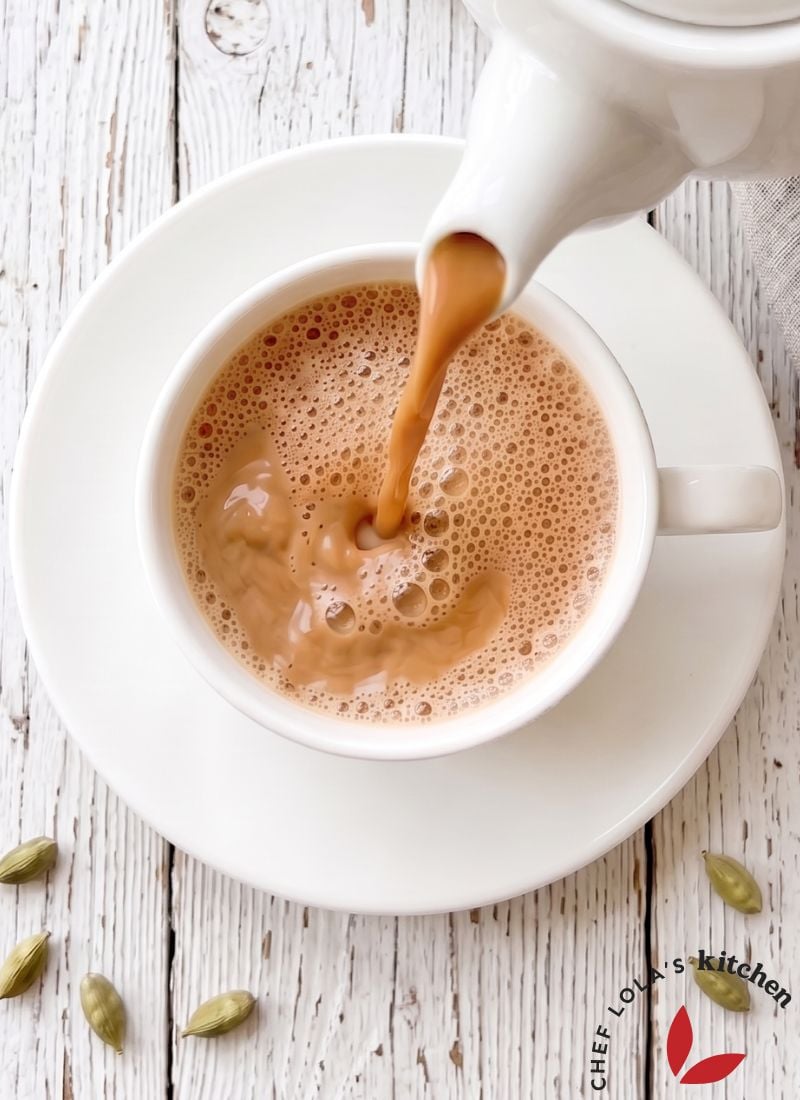
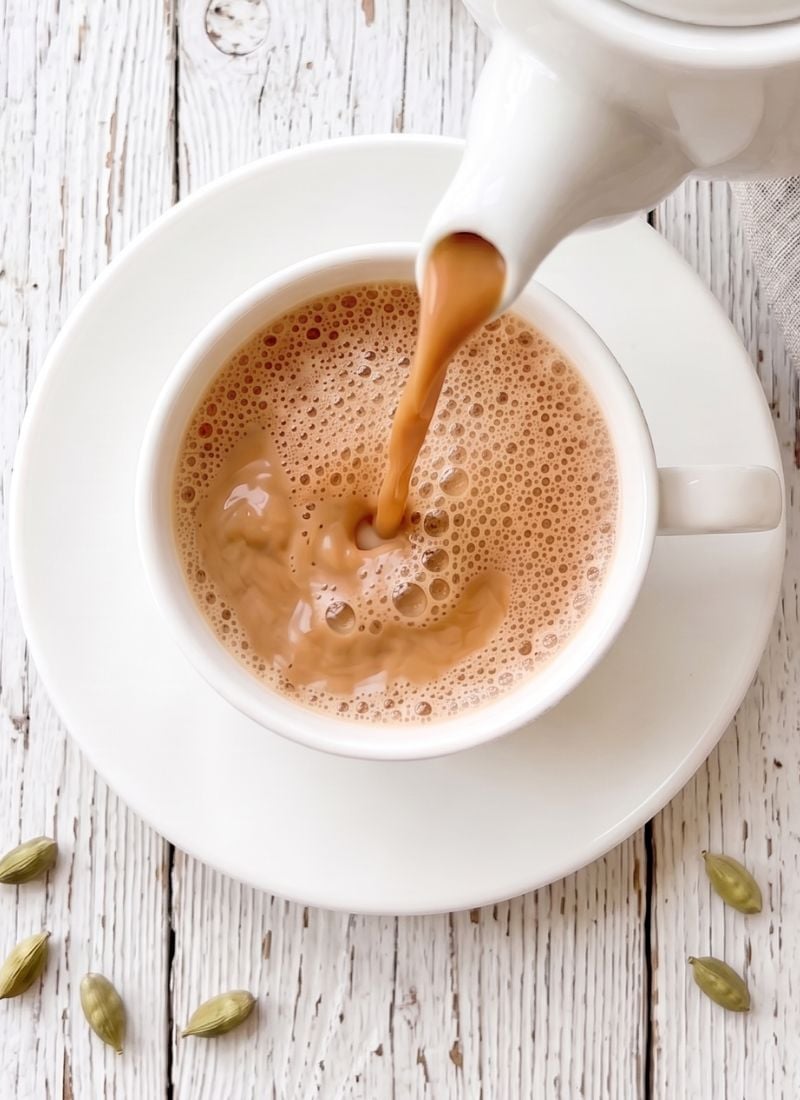
I love how the street vendors pour the strained tea from a height of about twelve inches into your mugs. This high pour cools the tea slightly, forms a frothy layer on top, and releases the aromatics right before your first sip.
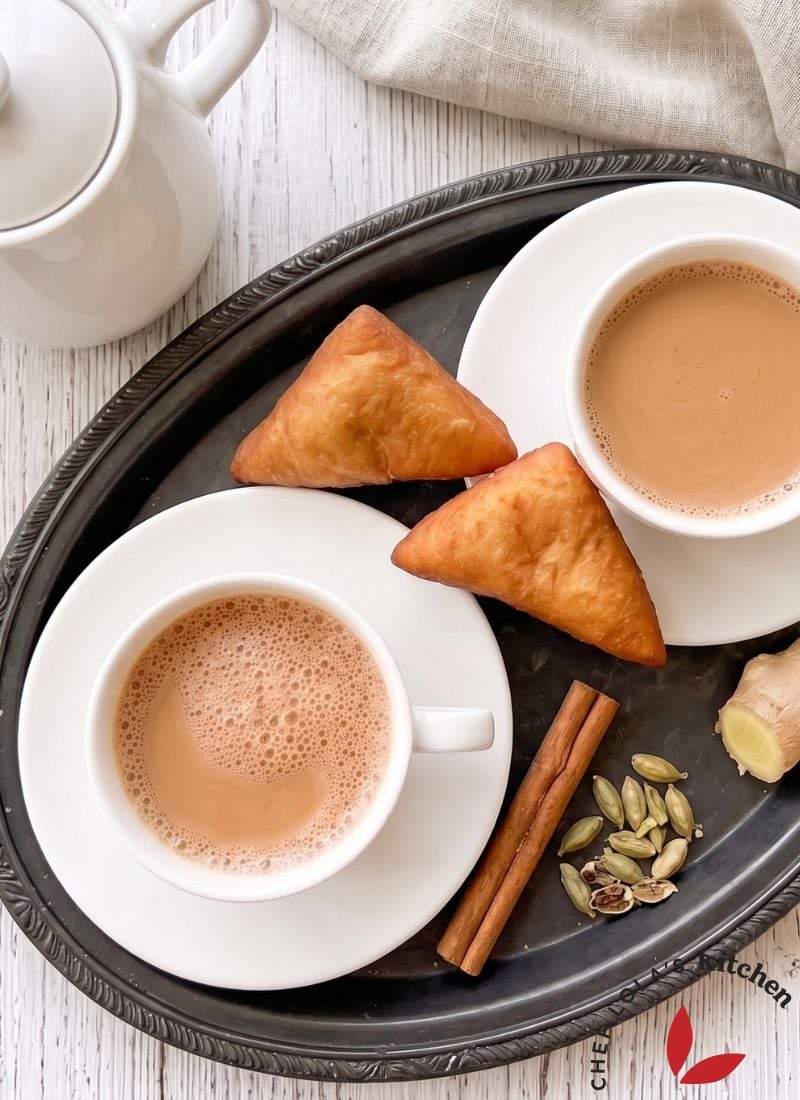
Chai in East Africa is rarely served alone; it is almost always paired with a carbohydrate such as chapati or mandazi to start the morning or to ease into the evening.
A Very Brief History of Chai Tea
Chai tea, a spiced tea blend, has deep roots in East Africa, particularly in countries like Kenya and Tanzania.
The word "Chai" simply means tea in Swahili and many South Asian languages. A reflection of the rich Indian Ocean trading history that shaped East African coastal culture over centuries.
Today, Kenyan Chai, Tanzanian Chai, and Ugandan Chai each have their own small regional differences, but the soul of the drink is the same: strong black tea, whole milk, and warm spices, simmered together until the flavors are combined perfectly.
What Is East African Chai?
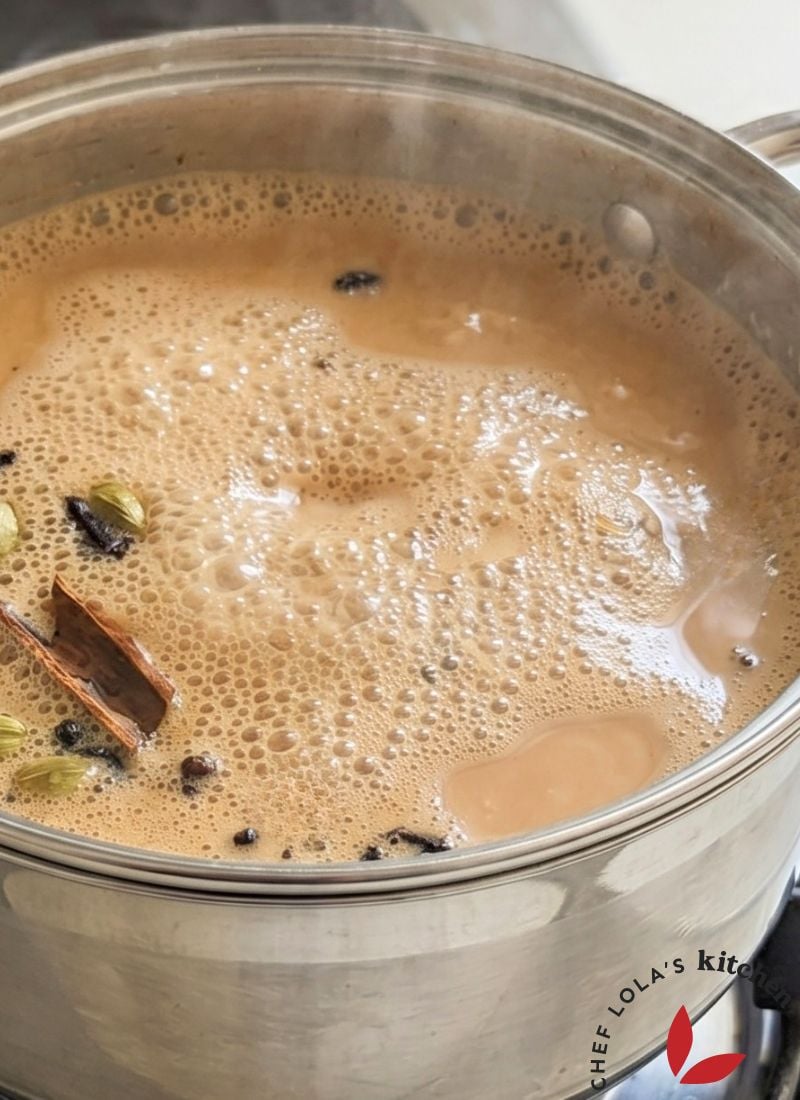
East African Chai is a spiced milk tea that is brewed differently from most teas you may have tried before. Unlike a regular cup of tea, where you pour hot water over a teabag, Chai is simmered directly in a mixture of water and milk with a generous blend of whole spices. The result is a tea that is creamy, deeply aromatic, and naturally sweet.
East African chai is a spiced milk tea that is deeply rooted in the culinary traditions of countries such as Kenya, Tanzania, and Uganda. Unlike Indian Masala Chai, which often highlights sweet spices like cinnamon and star anise, standard East African chai focuses heavily on fresh, sharp ginger (tangawizi) and green cardamom (iliki). In the coastal regions of Mombasa and Zanzibar, you will find bolder additions such as black peppercorns and cloves.
The other defining characteristic? The milk ratio. East Africans love their tea incredibly rich. It is traditionally brewed with a high ratio of whole milk to water and simmered slowly so the milk sugars caramelize slightly on the stovetop.
The tea is typically simmered with milk, water, black tea leaves, and warming spices like ginger, cinnamon, cardamom, and cloves. The result is a fragrant, comforting drink that pairs beautifully with baked goods, fried snacks, or a hearty breakfast.
Why You'll Love This East African Chai Tea
- Why You Will Love This East African Chai Recipe
- Rich, creamy, and deeply spiced, nothing like a teabag in a mug
- Made with whole spices for real, layered flavor
- Naturally customizable. Adjust sweetness, spice level, and strength to your taste
- Ready in under 20 minutes
- Cheaper than any café chai and far more satisfying
- The perfect companion to almost every East African breakfast dish
What Tea to Use for East African Chai
The tea you choose matters enormously. Kenyan black tea is the gold standard for authentic East African Chai. It is bold and malty, and it stands up beautifully to milk and spices without disappearing into the background.
The most famous is Ketepa Tea (Kenya Tea Packers), widely available across East Africa and in African food stores worldwide. Other excellent choices include:
- Brooke Bond Tea
- Any strong CTC (Crush, Tear, Curl) black tea: Assam-style teas work well
- Loose-leaf Kenyan black tea: My personal preference
- Strong English Breakfast tea bags: a perfectly acceptable substitute
Avoid delicate teas like green tea. East African Chai needs a robust, full-bodied black tea that can hold its own next to the spices.
Ingredients for making East African Chai Tea
Cardamom
Green cardamom is the star spice in East African Chai. It gives the tea its signature floral, slightly sweet warmth. I like to use whole pods, lightly crushed.
Fresh Ginger
Fresh ginger root gives Chai its gentle heat and brightness. Slice it thinly or grate it for more intensity. While dried ginger powder is a substitute, it simply cannot match the depth of fresh ginger.
Others
- Whole cloves
- Cinnamon
- peppercorns
- Nutmeg
- Fennel
Tips for the Best East African Chai Every Time
Here is what years of daily Chai-making have taught me:
- Use fresh whole spices. Pre-ground spice mixes go stale quickly. Whole cardamom pods and fresh ginger make the difference between good Chai and great Chai.
- Use full-fat milk. Semi-skimmed and skimmed milk give a thin, watery result. Full-fat milk gives Chai its creamy body.
- Simmer the spices in water first. Do not add everything at once. Blooming the spices in water alone extracts more flavor before the milk goes in.
- Watch the pot when the milk is added. Milk boils fast. A boilover is messy and wasteful.
- Use strong tea. Weak tea gets drowned by the milk. Bold, robust black tea is non-negotiable.
- Taste before you strain. Adjust the sweetness and strength before serving the tea.
- Serve immediately. East African Chai is best drunk piping hot.
Frequently Asked Questions
Can I Make Chai in Advance?
Yes. Store it in the refrigerator for up to 3 days and reheat before serving.
My Chai Tastes Weak and Watery
Not enough tea, or the milk ratio was off. Increase the loose-leaf tea. Make sure you are using equal parts water and milk, not mostly water.
Can I make Chai without a specific tea brand?
Yes. Any strong, full-bodied CTC black tea works. English Breakfast and Assam tea bags are widely available and make a very good East African Chai. Kenyan tea is ideal, but not essential.
Can I use a plant-based milk?
You can, but the result will be different. Oat milk comes closest to the creamy body of full-fat dairy milk. Almond milk is too thin. Coconut milk is delicious, but turns the Chai into something closer to a Swahili coastal spiced drink. Still wonderful, just different.
Why is my chai bitter?
If your chai tastes bitter, you likely boiled the black tea leaves for too long before adding the milk, or used a low-quality tea. Boiling tea leaves releases bitter tannins. Stick to the times in the recipe for a smooth finish!
Can I use ground spices instead of whole?
You can in a pinch, but the flavor will be sharper and less nuanced. If using ground spices, use half the amount.
How much caffeine is in East African Chai?
A cup of Kenyan black tea Chai contains roughly 40–60mg of caffeine. Less than a cup of coffee (which averages 80–100mg), but enough to be a proper morning drink
My Chai Boiled Over
This is because the heat was too high once the milk was added. Add milk over medium heat and watch carefully. As soon as it begins to rise, lower the heat immediately. A wide saucepan also helps, as it gives the milk more room.
Is East African Chai the Same as Masala Chai?
They are similar but not identical. East African chai often uses fewer spices and tends to have a creamier milk-to-water ratio.
What to Serve with East African Chai
East African Chai is a communal drink. It is served at breakfast, after meals, during visits, and at any moment that calls for warmth and welcome. Here are my favorite ways to enjoy it:
- With Mandazi - A warm cup of Chai and a triangle of soft, fluffy mandazi (mahamri) is a full East African breakfast that never gets old.
- With East African chapati - sweet, layered flatbread dipped straight into the Chai. A beloved habit in many Kenyan households, including mine!
- With Maharagwe (spiced coconut beans) - a heartier breakfast spread, especially on weekends.
- Alone, in a quiet moment - honestly, sometimes a cup of Chai is the whole point
How to Store Leftover Chai
East African Chai is best made fresh and drunk immediately. That said:
- In the fridge: Pour cooled Chai into a sealed jar or container and refrigerate for up to 2 days. Reheat gently over low heat on the stove. Do not microwave if you can help it, as it affects the texture.
- Do not freeze Chai: the milk separates on freezing, and the texture becomes grainy.
East African Chai Tea
Ingredients
- 2 cups water
- 1 tablespoon black tea loose leaves or 2 black tea bags
- 1 inch fresh ginger grated
- 5 to 6 cardamom pods lightly crushed
- 2 cups whole milk
- sweeten to taste
Optional Add-ins
- 1 cinnamon stick
- 2 to 3 whole cloves
- 1-2 teaspoon Black peppercorns
- 1 pinch nutmeg
- ½ teaspoon Fennel seeds
Instructions
- Using a mortar and pestle or the flat side of a knife, lightly crush the cardamom pods to crack them open.
- Pour 2 cups of water into a saucepan and place it over medium heat. Add your loose-leaf black tea, crushed cardamom pods, grated fresh ginger, and any other optional add-ins of your choice.
- Bring to a gentle boil, then reduce to a simmer and steep for 5 minutes. The water will turn a deep, dark amber color. That is exactly what you want.
- Pour in 2 cups of full-fat milk. Stir to combine. Increase the heat slightly and bring the whole mixture to a gentle boil, watching it carefully, as milk can boil over quickly.
- Once it reaches a boil, reduce to a low simmer and let it cook for another 4–5 minutes, stirring occasionally. The color will shift from dark amber to a warm golden brown. This is the perfect chai color.
- Add sugar to taste. Stir until the sugar is fully dissolved.
- Pour the Chai through a fine mesh strainer. Discard the spices and tea leaves. Serve immediately, piping hot.
Nutrition
Let’s connect on YouTube, Facebook, and Instagram. I love keeping in touch with you; nothing brings me more joy than seeing pictures of your creations. Tag me @cheflolaskitchen on Instagram and Facebook.