
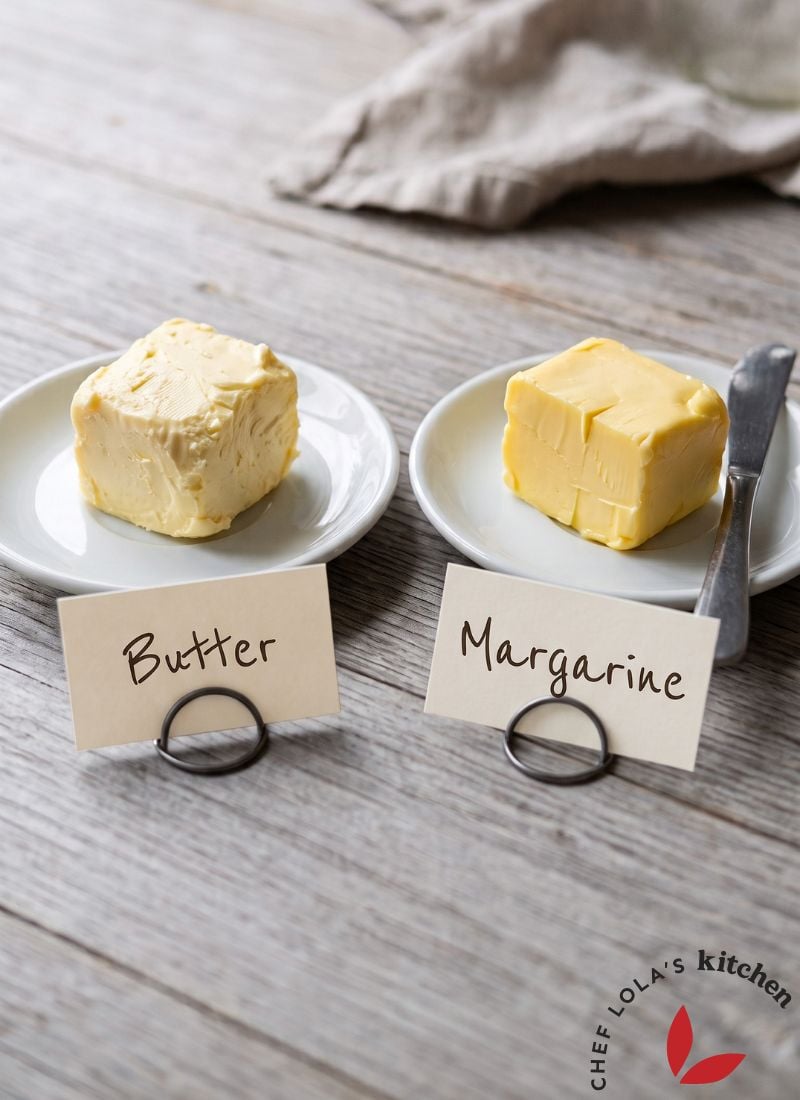
Butter vs margarine: These breakfast table staples have been battling it out for decades. I will walk you through the differences between butter and margarine.
A Childhood Memory Before We Begin
Writing about this brings back a core memory. Growing up, we could not tell the difference between margarine and butter. We went to the shops to buy butter, but what was mostly sold to us was margarine. You can imagine the shock when I finally realized they were not butter.
If you are like me, read to the end. By the time you finish, you will never confuse the two again.
What is butter?
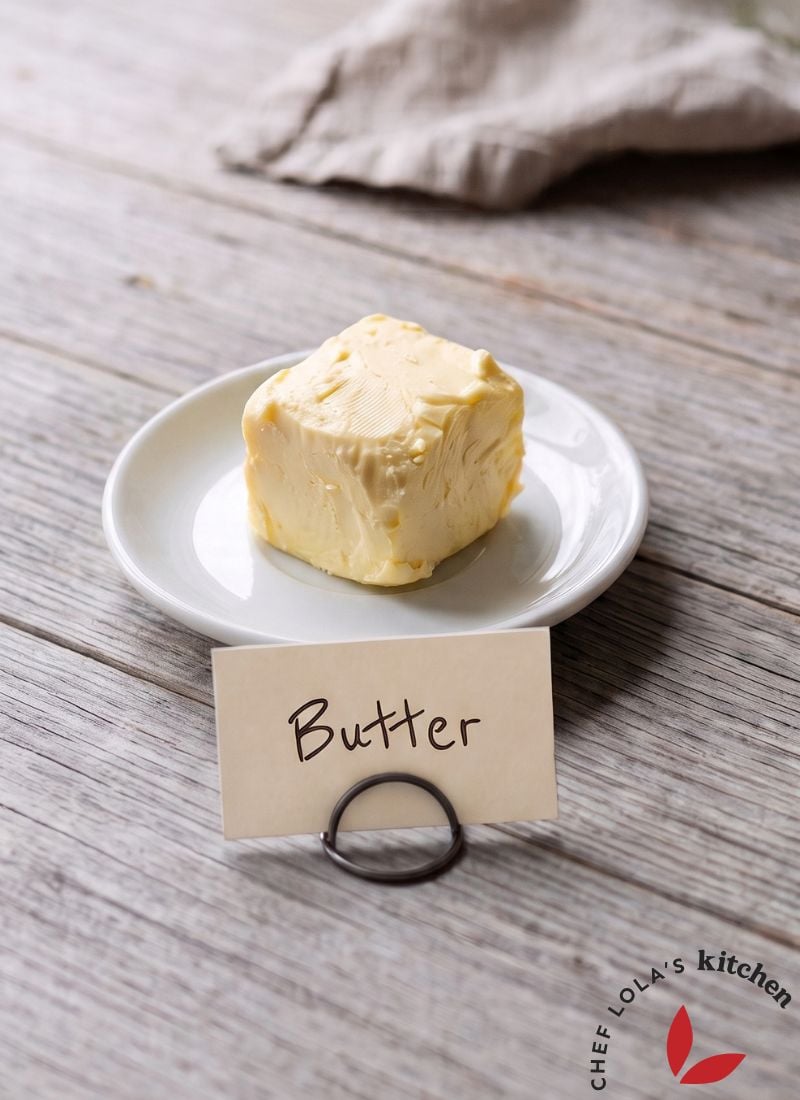
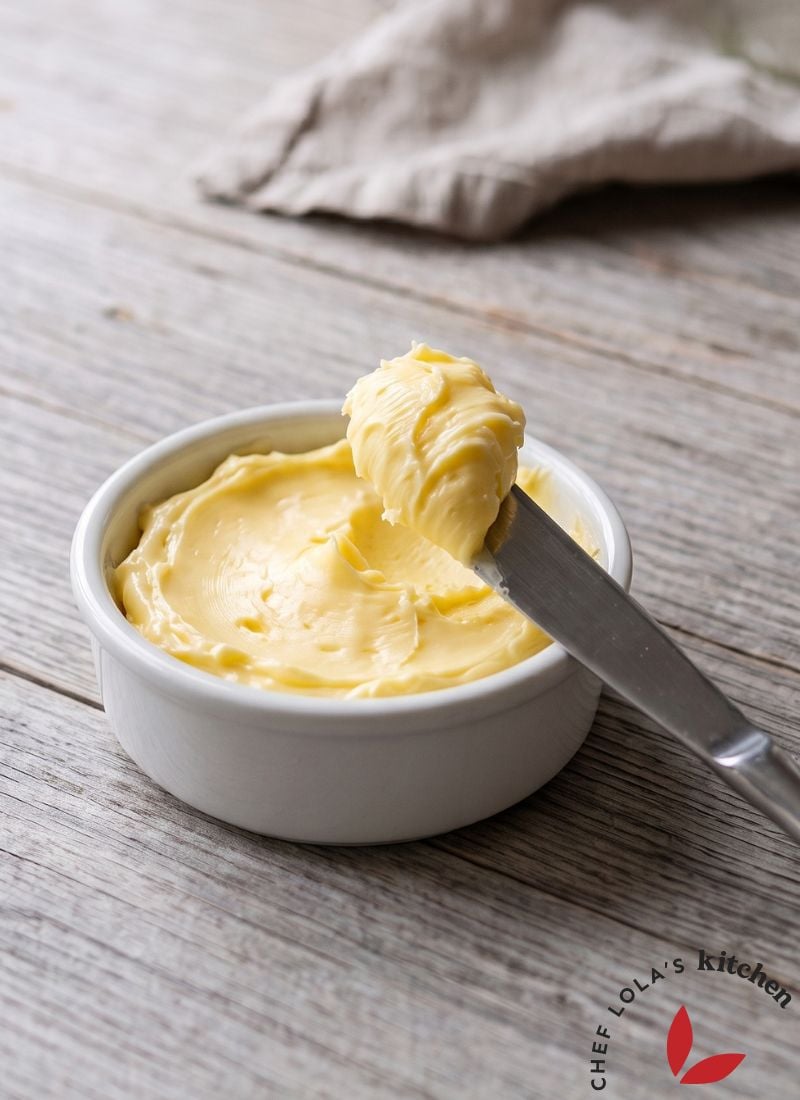
Butter is a natural dairy product made from cow's milk. The process of making butter from cream is called churning. Churning separates the butterfat from the buttermilk by agitating the fatty part of the milk until it turns solid.
Butter is made up of milk fat (about 80 percent), water, and milk solids. It naturally carries the fat-soluble vitamins A, D, E, and K. Salted butter also contains salt. The flavor is rich, creamy, and unmistakable. Because it comes from milk, butter is naturally higher in saturated fat and cholesterol.
Butter is also what gives so many of my recipes their backbone. It is the base of my homemade garlic butter with herbs and the reason my butter chicken tastes the way it does!
What is margarine?
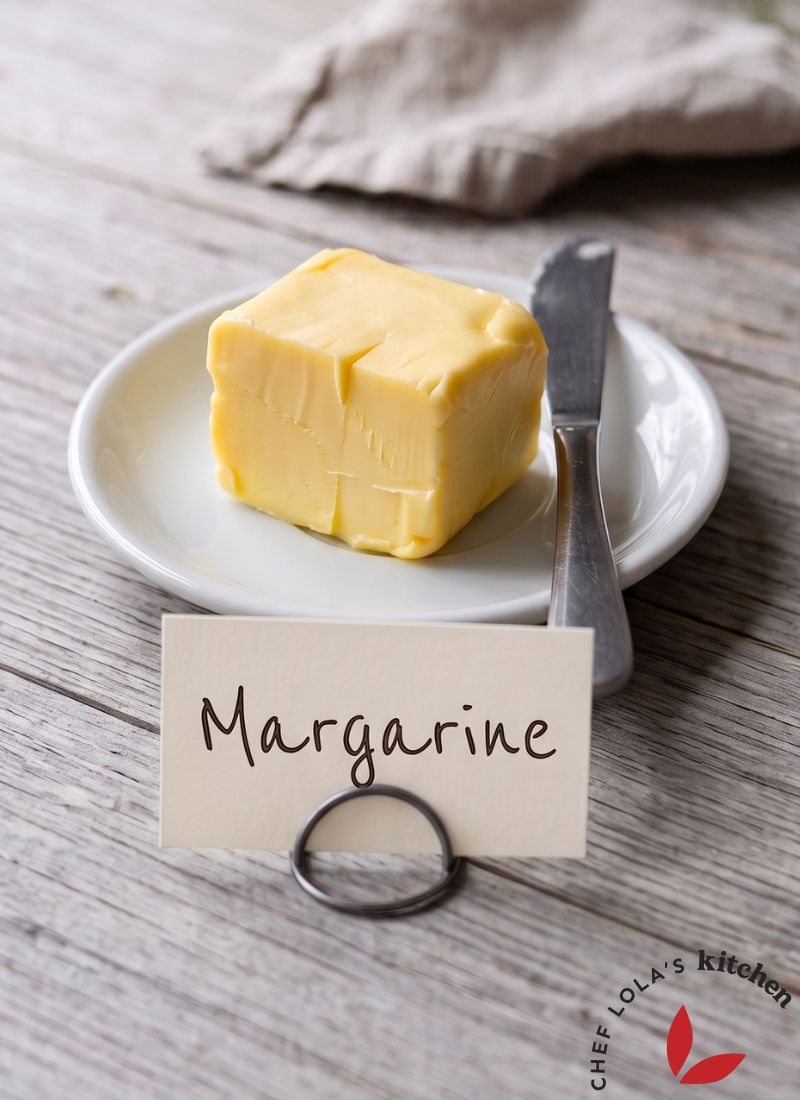
Margarine is a plant-based, non-dairy processed spread created as an alternative to butter. It is made mostly from refined vegetable oils such as soybean, palm, or canola oil, along with water, salt, and an emulsifier for texture.
During production, the oils go through hydrogenation, a process that adds hydrogen atoms so the oil stays solid at room temperature. Color, flavoring, and vitamins are then added so the finished product looks and tastes close to butter.
Margarine generally contains fewer calories and less saturated fat than butter, although the exact numbers vary a lot by brand and formulation. Margarine is usually fortified with vitamins A and D.
The Difference Between Butter and Margarine at a Glance
Butter and margarine are both popular spreads and cooking fats, but they differ in origin, ingredients, and nutrition.
| Feature | Butter | Margarine |
| Origin | Animal fat from cow's milk | Plant-based, made from vegetable oils |
| Composition | Milk fat, water, milk solids, salt in salted varieties | Vegetable oils, water, salt, emulsifiers |
| Calories and Fat | Higher in saturated fat and dietary cholesterol | Fewer calories, less saturated fat; older or imported brands may still contain trans fats |
| Vitamins | Naturally contains fat-soluble vitamins A, D, E, and K | Usually fortified with vitamins A and D |
| Dietary Suitability | Contains lactose, not vegan | Lactose free and suitable for a vegan diet when the brand is dairy free |
| Texture and Storage | Firm when cold, melts quickly, keeps best refrigerated | Softer and spreadable straight from the fridge; most tubs still need refrigeration after opening |
Is Margarine Healthier Than Butter?
This is the question everyone really wants answered, so let me be straight with you.
Butter is higher in saturated fat. Margarine is lower in saturated fat but more heavily processed. The real concern with older margarine was trans fat, which comes from partially hydrogenated oils. Trans fat raises LDL cholesterol and lowers HDL cholesterol, which is why the United States Food and Drug Administration ruled that partially hydrogenated oils are no longer generally recognized as safe and phased them out of the food supply. Most margarine sold today in the US and Europe is trans fat-free, but that is not true everywhere, so always read the label.
Personally, I reach for butter. I like knowing it is one simple ingredient; I like that I can make it at home from fresh milk, and I like what it does to flavor.
Margarine is factory-made and goes through far more processing before it reaches the shelf. That said, butter is high in fat, so I control the amount I use in cooking and baking rather than pretending it is free.
If you are managing cholesterol or heart health, that is a conversation for your doctor or a registered dietitian, not a food blog. What I can tell you confidently is how each one cooks.
Butter or Margarine in Cooking and Baking
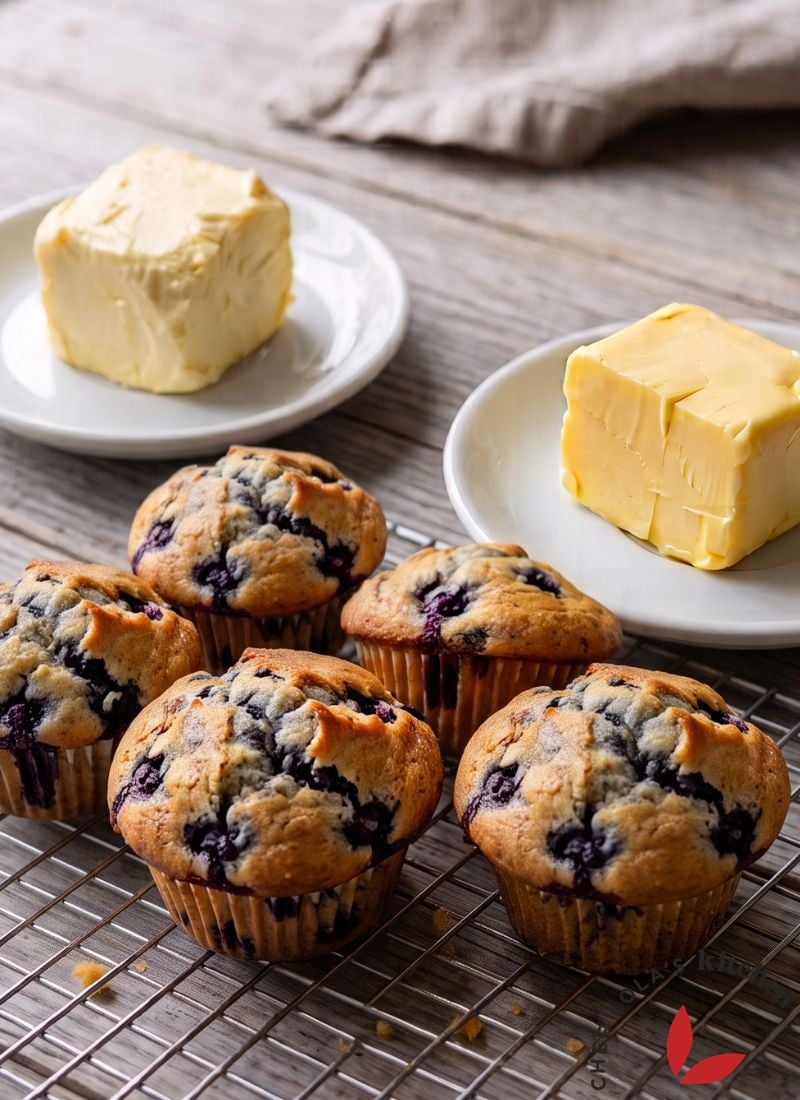
Both work. What changes is flavor and texture.
- For very high heat, choose neither. Butter contains milk solids that burn around 175°C (350°F). Margarine contains water that spits and can break down. For deep frying or searing, use clarified butter (ghee), avocado oil, or another refined oil instead.
- For flavor, choose butter. Butter is unmatched for sautéing, pan sauces, rice dishes, and anything you want to taste rich. That's why a compound butter, like Cajun butter blend can transform corn, seafood, or a roast chicken with one spoonful.
- For flaky and structured baking, choose butter. Pie crusts, croissants, shortbread, and puff pastry rely on solid butter creating steam pockets as they bake. Butter also browns beautifully, which is where that nutty flavor in cookies comes from.
- For soft, tender, budget-friendly baking, margarine holds its own. The higher water content in many margarines produces a softer crumb in cakes and muffins. Margarine also creams easily straight from the fridge, which is handy when you forgot to soften your butter.
Serving Sizes for Butter vs Margarine
Serving sizes for butter and margarine are similar, which makes them easy to compare on the label.
One tablespoon of butter contains roughly 7 to 8 grams of saturated fat and a small amount of naturally occurring trans fat.
One tablespoon of soft tub margarine contains roughly 1 to 2 grams of saturated fat and, in most modern brands, no added trans fat. Hard stick margarine sits somewhere in between, so check your own tub or block rather than assuming.
Can You Substitute Margarine for Butter?
Yes, in most everyday recipes you can swap them one for one by volume. Three things to keep in mind:
- Water content: Margarine usually contains more water than butter, which can make batters slightly wetter and doughs slightly softer.
- Fat percentage: Low-fat or light spreads contain a lot of water and are not suitable for baking at all. Use a margarine with at least 80 percent fat if you are baking with it.
- Salt: If your margarine is salted and your recipe calls for unsalted butter, reduce the added salt.
For laminated pastry, shortbread, and anything where butter is the star flavor, I do not recommend substituting. You will taste the difference.
Alternatives to Butter and Margarine
Plant-Based Oils
- Olive Oil: Ideal for sautéing, drizzling on salads, and baking.
- Coconut Oil: Good for baking and cooking at medium temperatures.
- Avocado Oil: Suitable for high-heat cooking, baking, and as a salad dressing.
Nut and Seed Butter
- Almond Butter: Spread on toast, added to smoothies, or used in baking.
- Tahini (Sesame Seed Butter): Great in dressings, sauces, and baking.
- Mashed Avocado: A fresh spread for toast and sandwiches, and a partial fat replacement in baking.
- Cashew butter: Mild, creamy, and lovely on warm bread.
- Tahini: Sesame seed butter that works beautifully in dressings, sauces, and baking.
- Peanut Butter: A rich, protein-packed spread and the base of many West African sauces and soups.
Dairy Alternatives
10. Greek Yogurt: Replaces part of the fat in cakes and muffins and works as a tangy spread.
11. Cottage Cheese: Suitable as a spread or in baking for added moisture.
Other Alternatives
12. Ghee (Clarified Butter): Milk solids removed, so it's suitable for high-heat cooking and baking.
13. Lard: Used in baking, frying, and cooking.
Frequently Asked Questions
What is the primary difference between butter and margarine? Butter is a natural dairy product made by churning cream. Margarine is a processed spread made primarily from vegetable oils that have been hydrogenated to stay solid.
Can I use margarine instead of butter in recipes? Yes, in most recipes you can substitute margarine for butter one-for-one. Expect a slight change in flavor and texture, especially in baking. Choose a full-fat margarine rather than a light spread for best results.
What are trans fats and why are they a concern in margarine? Trans fats are a type of unsaturated fat that raise LDL cholesterol and lower HDL cholesterol, increasing heart disease risk. They came from the partially hydrogenated oils once used in margarine. Most margarine sold today is trans fat-free, but always check the label.
How do butter and margarine differ in taste? Butter has a rich, creamy, slightly sweet flavor that most people prefer in cooking and baking. Margarine tastes milder and more neutral, and the flavor varies with the oils and additives used.
Is butter or margarine better for baking? Butter is better for flaky pastry, cookies, and anything where flavor matters. Margarine can produce a softer crumb in cakes and is often cheaper.
Does margarine need refrigeration? Most margarine tubs stay spreadable at room temperature but should be refrigerated after opening for freshness and food safety. Always follow the storage instructions on your tub.
Now You Know!
Butter and margarine are not the same product, and now you know exactly why.
Butter wins on flavor and simplicity. I will choose this any day, anytime!
Margarine wins on price, spreadability, and suitability for vegan and lactose-free diets.
Keep both in mind, read your labels, and choose based on what works for you.
Let’s make our friendship official on YouTube, Facebook, and Instagram. Don’t forget to give me a shout-out with your dish snaps using @cheflolaskitchen on Instagram and Facebook. Can’t wait to see what you’re cooking up! 🍲🥘🌟


r
Friday 28th of February 2025
what is the kg of the 4 butter stick ma
Lola Osinkolu
Monday 10th of March 2025
It's approximately 0.9kg