
This Fresh Homemade Salsa is quick, easy, and packed with flavor! Made with ripe tomatoes, crisp onions, jalapeños, fresh cilantro, and tangy lime juice, it's perfect for dipping tortilla chips, topping tacos, or enhancing any Mexican-inspired dish. It comes together in 10 minutes.
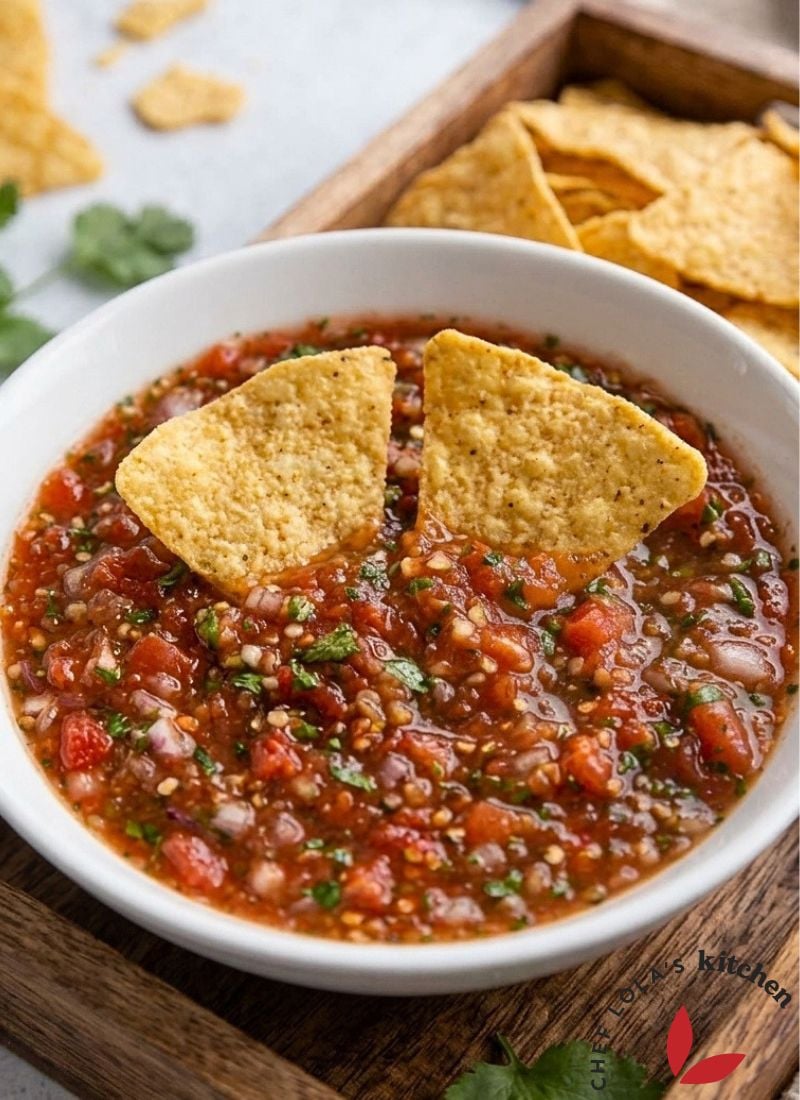
I absolutely love salsa
Salsa is one of my favorite condiments! Interestingly, salsa reminds me a lot of the East African Kachumbari - a traditional salad that graces the tables of countless homes across East Africa. Different names, different cultures, same beautiful idea
I put it on everything: eggs, tacos, grilled chicken, sandwiches, and I cannot imagine certain meals without it.
What I love even more is that salsa is one of those things that is almost embarrassingly easy to make at home, and the homemade version is so much better than anything that comes in a jar that the comparison feels unfair. No preservatives, no artificial flavors, no mystery ingredients. Just fresh produce blended together in under 10 minutes.
What is salsa?
Salsa is a Mexican condiment and dip made from fresh ingredients. Typically, tomatoes, onions, jalapeños, cilantro, garlic, and lime juice.
The word salsa simply means sauce in Spanish, but in the culinary world it refers specifically to this family of fresh, vibrant condiments that are as versatile as they are delicious. It can elevate any dish with its vibrant flavors and zesty kick.
Salsa is a versatile condiment that can be smooth or chunky with varying spice levels
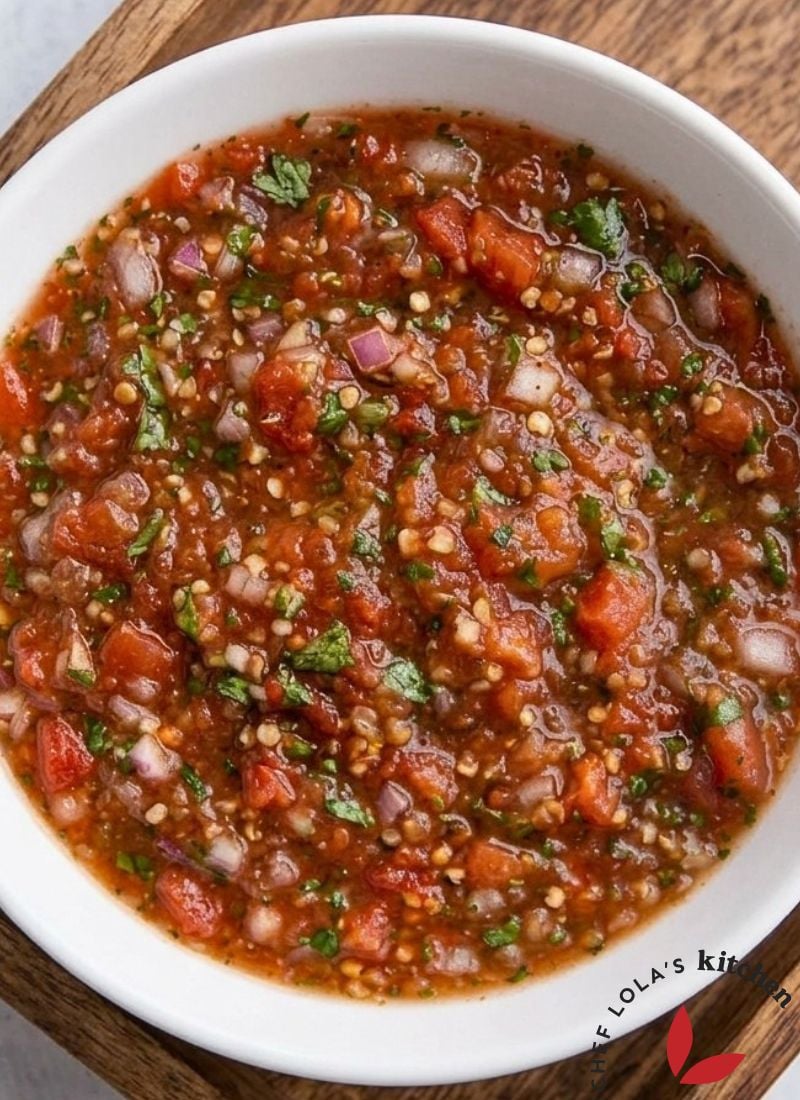
This particular version is closest to a restaurant-style salsa, slightly smoother than a pico de gallo but still with enough texture to coat a chip properly without sliding off.
If you enjoy bold, fresh condiments like this, you will also want to try my Easy and Flavorful Homemade Guacamole. Together, they make the ultimate dipping spread for any gathering.
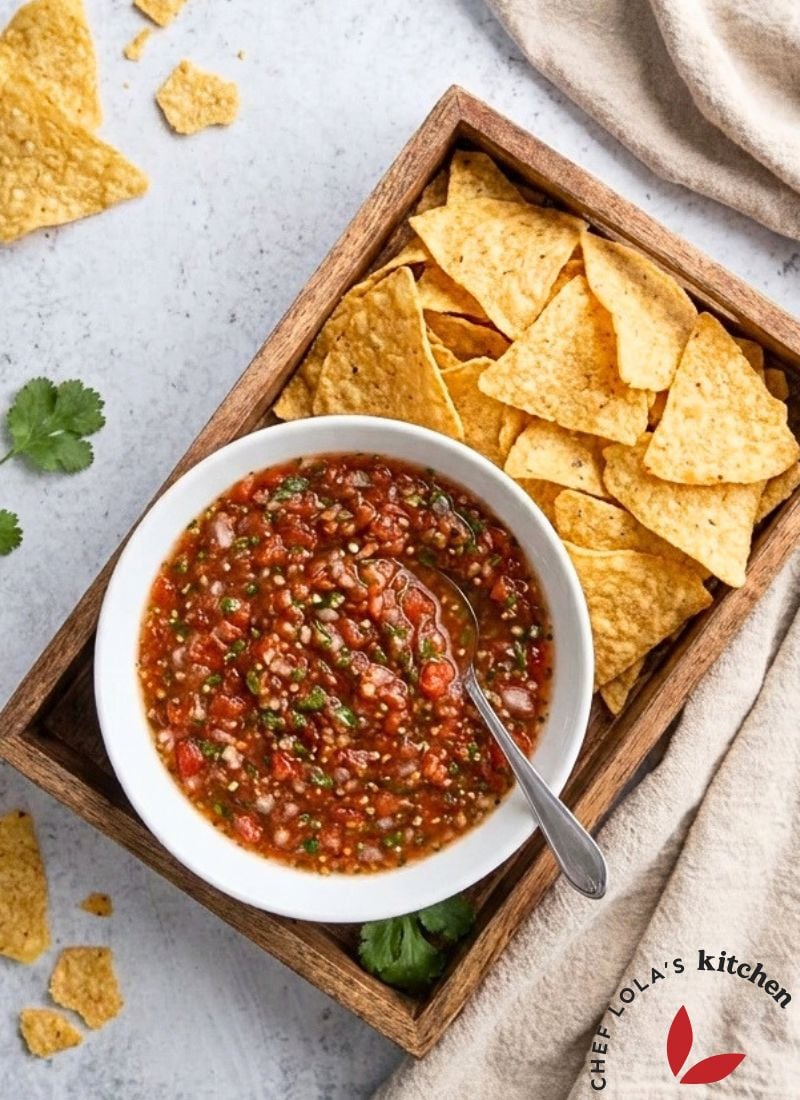
Why Homemade Salsa?
Sure, store-bought salsa might seem convenient, but once you taste the freshness and authenticity of homemade salsa, there's no going back. The beauty of making your own salsa is that you can customize it to your taste preferences. Adjust the heat level, experiment with different types of tomatoes, and control the texture to achieve your perfect salsa.
For other fantastic dips, try our Homemade Ranch Dressing Recipe, Homemade Guacamole, and Chicken Dipping Sauce.
What tomatoes are best for salsa?
Not all tomatoes are created equal for salsa, and this choice matters more than most people realize.
- Roma tomatoes are my first choice and the one I recommend most strongly for this recipe. They are firm, meaty, have fewer seeds, and contain less water than regular round tomatoes. This means your salsa will be thicker and more flavorful rather than watery and thin. Their natural balance of sweetness and acidity also works beautifully with the jalapeño, garlic, and lime juice.
- Plum tomatoes are a great alternative with similar qualities to Roma tomatoes.
- Vine-ripened tomatoes work well too; just make sure they are firm and fully ripe, not soft or overripe.
Avoid using underripe tomatoes at all costs. Pale, hard tomatoes will give you a salsa that tastes flat and disappointing, no matter how good everything else in the bowl is. The tomatoes are the foundation, so choose them well.
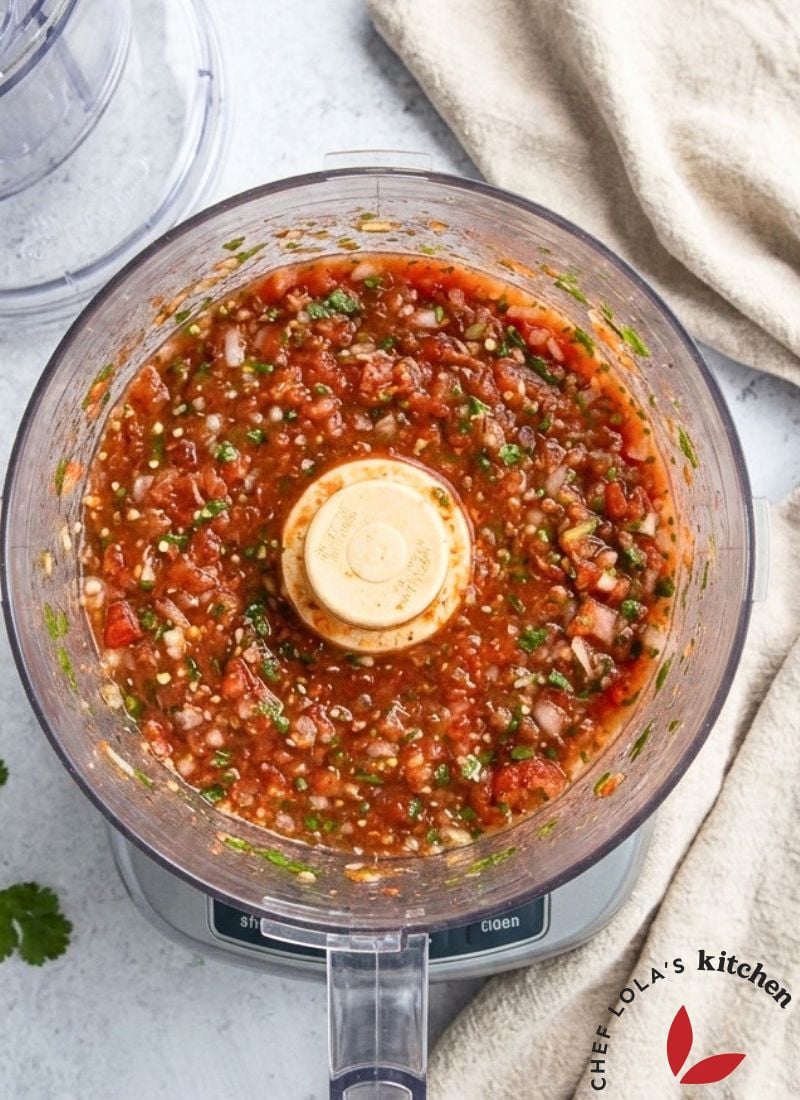
Ingredients for Homemade Salsa
- Ripe tomatoes: the backbone of the salsa. Use firm, ripe Roma or plum tomatoes for the best flavor and texture. Quarter before adding to the food processor.
- Red onion: adds a sharp, slightly sweet bite that gives the salsa its characteristic savory depth. Yellow or white onion can be substituted for a milder flavor.
- Garlic: optional but highly recommended. It adds a round, savory richness to the background of the salsa that you would definitely miss if it were absent.
- Jalapeño peppers: the source of heat. Remove the seeds and ribs for a milder salsa, or leave some in if you prefer things spicier. Start with one jalapeño and taste before adding more — you can always add heat, but you cannot take it away.
- Fresh cilantro: adds a bright, herby freshness that is essential to this salsa.
- Lime juice: freshly squeezed only, please. Bottled lime juice is fine in a pinch, but fresh lime juice has a brightness and vibrancy that bottled simply cannot match. It also helps preserve the color of the salsa.
- Ground cumin: adds a subtle earthy, smoky warmth that rounds out the flavor. A small amount goes a long way here.
- Salt and black pepper: to season and bring all the flavors into sharp focus.
- Sugar: optional, but a small pinch can help balance the acidity of the tomatoes if they are particularly tart. Taste first and decide.
How to make salsa
- Prep your ingredients: Quarter the tomatoes, roughly chop the red onion, peel the garlic cloves, and remove the seeds and ribs from the jalapeño if you want a milder salsa.
- Add everything to the food processor: Place the tomatoes, onion, garlic, jalapeño, fresh cilantro, lime juice, cumin, salt, black pepper, and sugar if using into the food processor fitted with the chopping blade.
- Pulse to your preferred texture: Pulse the food processor in short bursts rather than running it continuously. This gives you control over the final texture. For a chunkier salsa, pulse 4 to 5 times. For a smoother restaurant-style result, pulse 8 to 10 times. Do not over-process; you want to see distinct pieces of tomato, not a purée.
- Taste and adjust: Taste the salsa and adjust the seasoning. Does it need more lime juice for brightness? More salt? Another pulse or two for a smoother texture? This is your salsa; make it exactly the way you like it.
- Refrigerate before serving: Transfer the salsa to a bowl, cover, and refrigerate for at least 30 minutes to 1 hour before serving. This resting time is not optional. The flavors will meld together, and it will taste even better.
Different ways you can enjoy Salsa
- As a topping for tacos, nachos, and burritos
- Use it as a salad dressing
- As a delicious addition to wraps and burgers
- Adds a spicy kick to scrambled eggs
- As a topping for grilled shrimp
- Add to your toast and sandwiches
Salsa Variations Worth Trying
One of the best things about homemade salsa is how much room there is to experiment. Here are some popular variations:
- Pico de Gallo: the chunkiest, freshest version of salsa. Instead of using a food processor, everything is finely diced by hand and combined together. No blending at all. The result is a completely different texture that works beautifully as a topping for tacos and grilled meats.
- Salsa Roja: a cooked red salsa where the tomatoes, onions, and chili peppers are briefly simmered together before blending. The cooking deepens the flavor and gives it a slightly smoky, more complex profile than fresh salsa.
- Salsa Verde: made with tomatillos instead of tomatoes, giving you a green salsa with a bright, tangy, slightly sour flavor. Wonderful with grilled chicken or fish tacos.
- Mango Salsa: swap half the tomatoes for diced fresh mango for a sweet and spicy version that pairs beautifully with grilled fish and shrimp. The tropical sweetness against the jalapeño heat is genuinely addictive.
- Corn Salsa: add sweet corn kernels, drained and rinsed, to the base recipe for a sweet, crunchy addition that makes this salsa feel more substantial as a side dish.
- Black Bean Salsa: stir in rinsed black beans and corn for a hearty, protein-rich version that works as a side dish, a dip, or a topping for rice bowls.
Frequently Asked Questions
What does salsa taste like?
Salsa tastes tangy and savory, with a mix of flavors from fresh ingredients used. It can also range from mildly hot to very hot. The taste can vary depending on the specific ingredients and proportions used.
Can I make salsa without a food processor?
Yes. Finely dice all the ingredients by hand and combine in a bowl. This gives you a chunkier, more rustic salsa similar to pico de gallo. It takes a little more time, but the result is beautiful, and the texture is even more satisfying for scooping with chips.
How do I make salsa less spicy?
Remove all the seeds and white ribs from the jalapeño before adding it to the processor; this is where most of the heat lives. For even milder salsa, use only half a jalapeño or substitute with a mild green chili pepper instead.
Can I make this salsa ahead of time?
Yes! In fact, we recommend refrigerating the salsa for at least an hour to let the flavors marry. You can make it a day or two ahead and store it in an airtight container in the refrigerator to save time or let the flavors develop even more.
Can I use canned tomatoes?
You can in a pinch, but fresh tomatoes give you a significantly brighter, fresher flavor. If using canned, drain them well before adding to the food processor to prevent the salsa from becoming too watery.
Why is my salsa too watery?
This usually comes down to the tomatoes. Very ripe or overly juicy tomatoes release a lot of liquid when processed. Roma tomatoes are the best way to avoid this because of their lower water content. You can also briefly drain the salsa through a fine-mesh strainer after blending to remove excess liquid.
Are there any substitutes I can use for some ingredients?
Yes! If you can't find Roma tomatoes, use other types of ripe, red tomatoes instead. You can also substitute serrano peppers or mild green chiles for jalapeños for a different heat level, while still enjoying the same flavor profile.
What food goes well with salsa?
- Tortilla Chips: Tortilla chips are a classic pairing with salsa. The salty and crunchy texture of the chips complements the tangy and savory flavors of the salsa.
- Tacos: Salsa as a topping on tacos adds a burst of flavor and freshness to the dish.
- Quesadillas: These are often served with a side of salsa for dipping. The tangy, spicy flavors of salsa complement the cheesy, savory flavors of the quesadilla.
- Grilled Meats: Salsa can be used as a marinade or topping for grilled meats like chicken, steak, or shrimp.
- Eggs: Salsa adds bursts of flavor to breakfast dishes like scrambled eggs or omelets. It adds a fresh and spicy kick to the dish, making it a great way to start the day.
Storage Tips
How long is homemade salsa good for?
Make-ahead tip: This salsa is a perfect make-ahead recipe. Prepare it up to 2 days in advance, store it covered in the refrigerator, and it will taste even better by the time you serve it. The extra time lets all the flavors fully meld.
In the refrigerator: Store in an airtight container for up to 3 days. The salsa will continue to develop flavor as it sits, so it actually tastes best on day two. Give it a quick stir and taste for seasoning before serving any leftovers.
In the freezer: Yes, salsa can be frozen. Transfer to a freezer-safe airtight container and freeze for up to 6 months. Thaw overnight in the refrigerator. The texture will be slightly softer after thawing, so it works better as a cooked salsa ingredient than a fresh dip after freezing.
Notes:
- Use the ripest, firmest tomatoes you can find. The quality of your tomatoes is directly proportional to the quality of your salsa.
- Do not over-process. Short pulses give you control over texture. A fully blended salsa is a soup, not a salsa.
- Do not skip the refrigeration step. Salsa served immediately after blending tastes sharp and disjointed. Resting time is what brings everything together.
- Include the cilantro stems. They carry the same flavor as the leaves and go through the food processor seamlessly.
- Taste as you go. Every tomato is different, every jalapeño has a different heat level, and every lime has a different amount of juice. Season by taste, not just by measurement.
Other delicious Mexican recipes to try
- Simple Mexican Rice Recipe
- Homemade Chicken Al Pastor Recipe
- Easy Authentic Carne Asada Recipe
- Fish Tacos – A Versatile Meal
- Chipotle Style Cilantro Lime Rice Recipe
- Chicken Tortilla Soup Recipe With Rotisserie Chicken
Delicious Restaurant-Style Salsa
Ingredients
- 4 large ripe tomatoes quartered
- ½ red onion roughly chopped
- 2-3 cloves garlic peeled
- 1-2 jalapeño peppers seeds and ribs removed, roughly chopped (adjust to taste)
- ¼ cup fresh cilantro stems included
- 1 Juice of lime
- ½ teaspoon ground cumin
- ½ teaspoon salt or add to taste
- ¼ teaspoon black pepper
- ½ teaspoon sugar optional, to balance acidity
Instructions
- Attach the food processor's chopping blade. Place the quartered tomatoes, roughly chopped red onion, peeled garlic cloves, chopped jalapeño peppers, fresh cilantro, lime juice, ground cumin, salt, black pepper, and sugar (if using) into the processor.
- Pulse the food processor in short bursts until the ingredients are finely chopped. Be cautious not to over-process; you want the salsa to retain some texture. Some prefer a chunkier salsa, while others like it smoother.
- After blending, taste the salsa and adjust the seasoning as needed. Add more salt, lime juice, or sugar to balance the flavors.
- Transfer the salsa to a bowl, cover it, and refrigerate for at least an hour before serving. This allows the flavors to meld.
Notes
- Control the Heat: Adjust the amount of jalapeño peppers based on your spice preference.
- Cilantro Stems: Including the cilantro stems in the food processor adds flavor and reduces waste.
- Consistency Control: For a chunkier salsa, pulse the ingredients fewer times; for a smoother texture, blend a bit longer.
Nutrition
Let’s connect on YouTube, Facebook, and Instagram. I love keeping in touch with you; nothing brings me more joy than seeing pictures of your creations. Tag me @cheflolaskitchen on Instagram and Facebook.


Lindjoy
Saturday 12th of July 2025
Hi chef Lola! I have been inlove with your recipes ever since I came across your blog. Thanks for your works. Am in Nigeria,any substitute for cilantro and Jalapeno peppers, as they can't be sourced easily. I'll really like like to try the recipe out.
Chef Lola Osinkolu
Friday 25th of July 2025
Thanks for staying around Lindjoy. You can use parsley or basil instead of cilantro and replace jalapeño with a pinch of red pepper flakes to add heat or fresh green bell pepper if you don't want heat.